


This week’s ✨ free article ✨ is sponsored by TLDR.
If you’re trying to get in front of technical decision makers: TLDR is where they’re already paying attention.
6M+ tech professionals subscribe across 12 newsletters (AI, DevOps, InfoSec, Marketing and more) because they actually want to read them.
Open rates avg. 40-46%. They even handle the ad copy so you don’t have to.

Want to sponsor the Marketing Ideas newsletter? Apply here
A baby monkey named Punch broke the internet this week.
He’s a 7-month-old macaque at a zoo near Tokyo. His mom abandoned him after birth. The other monkeys rejected him too.
So zookeepers gave him a stuffed orangutan toy to keep him company:
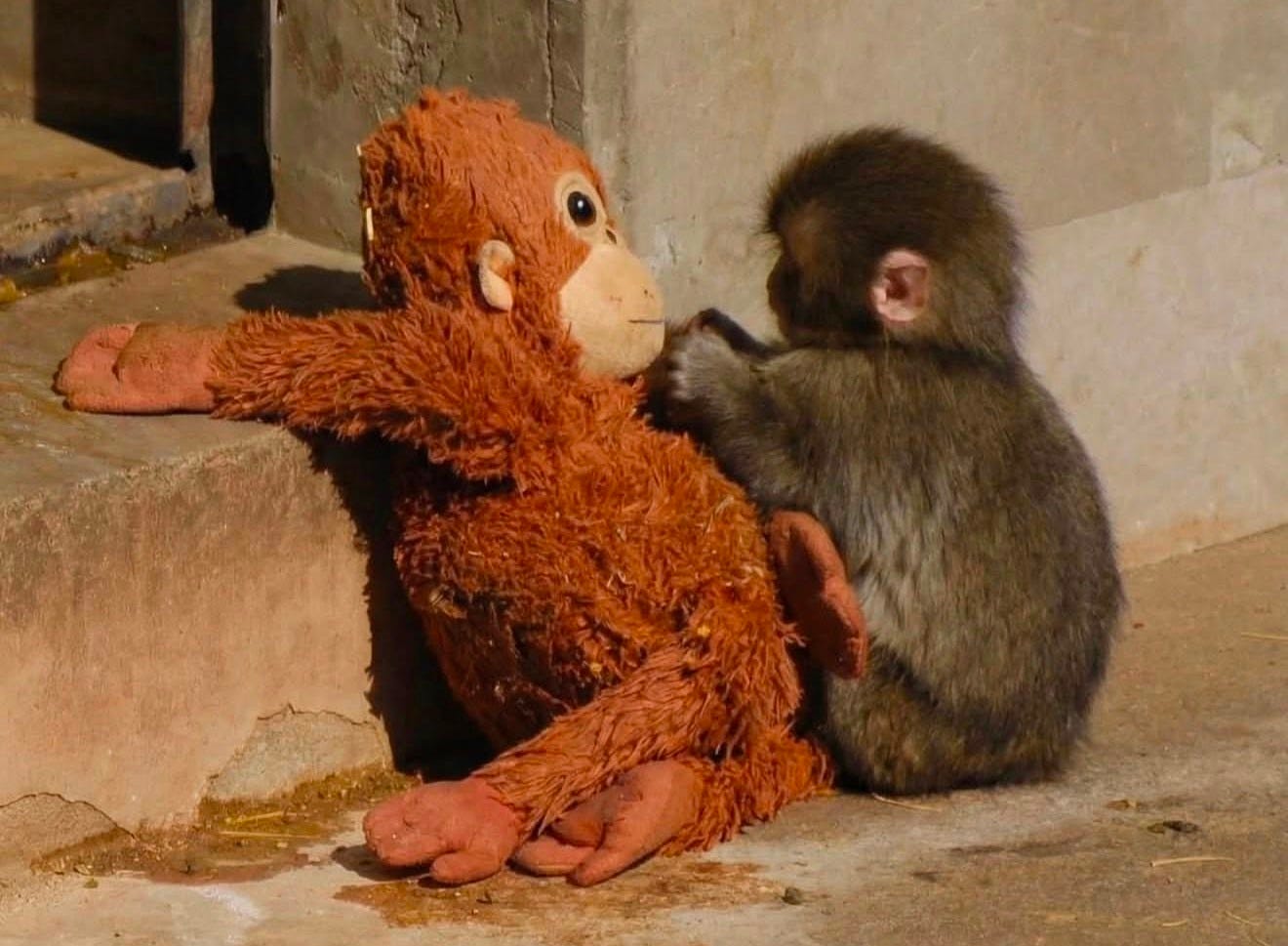
He drags it with him everywhere he goes.
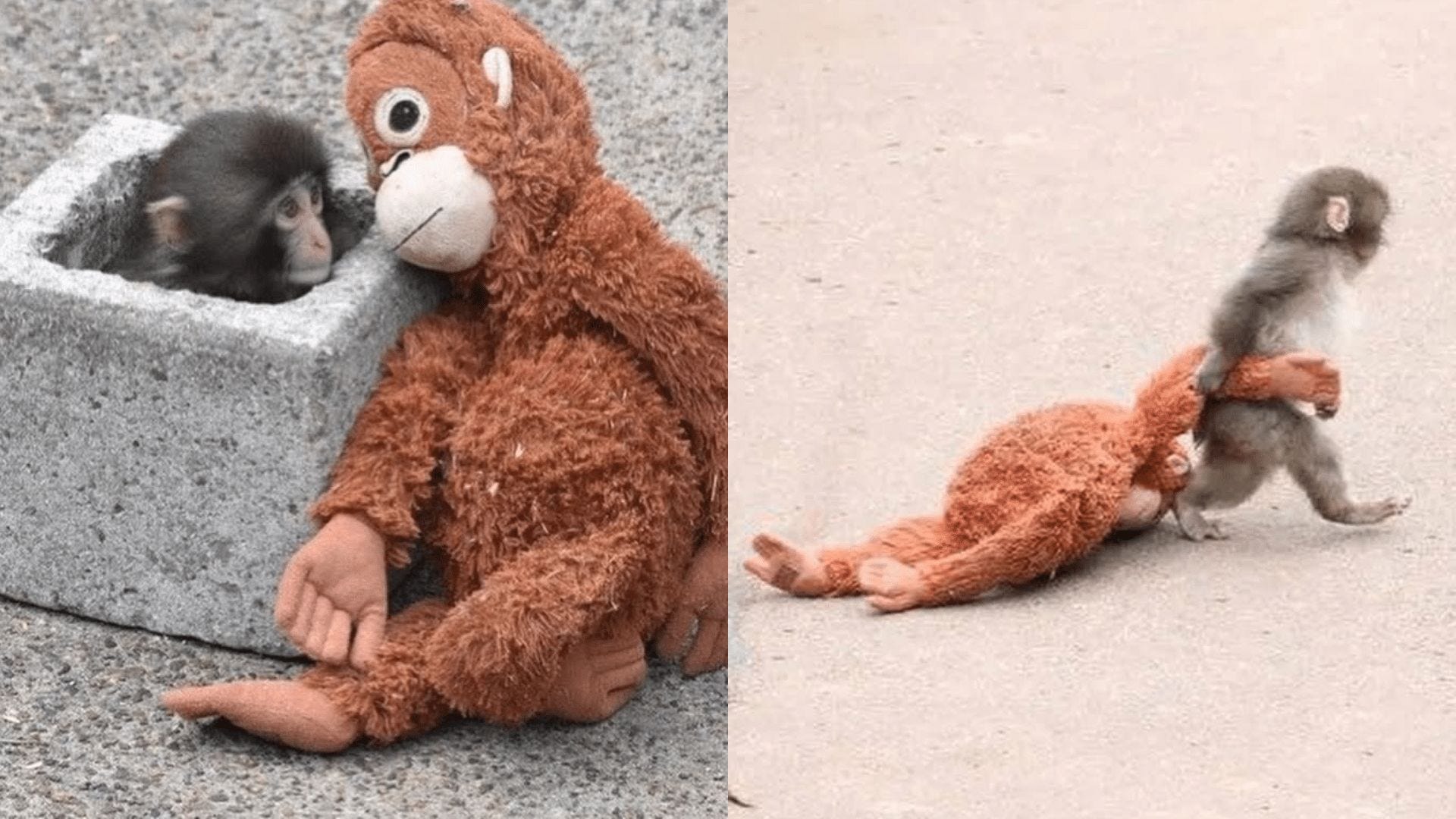
The whole world lost their minds over this little guy.
30+ million views on TikTok. Stephen Colbert talked about him on TV. The zoo had lines so long they had to publicly apologize.
The stuffed toy is actually a $19.99 IKEA product.
You can try to buy it right now if it’s not sold out near you (it probably is).
IKEA confirmed the DJUNGELSKOG orangutan toy has sold out across Japan, the United States and South Korea.
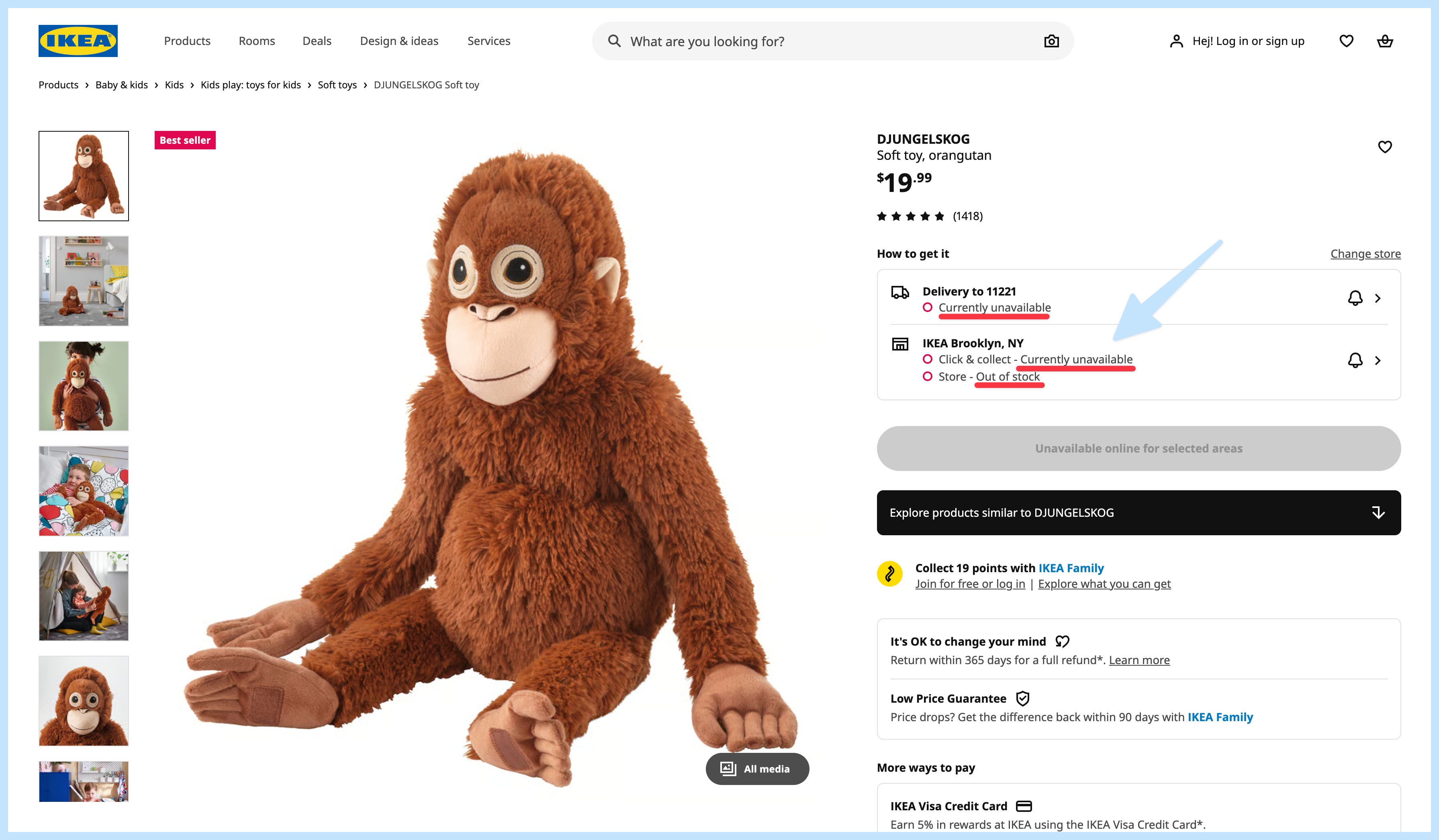
IKEA didn’t plan any of this. But what they did next turned a baby monkey story into one of the BIGGEST marketing wins of 2026.
And they spent $0 on it.
Here’s what they did ↓
1. IKEA’s social media manager did NOT ask for permission 👑
Most companies, when a viral moment shows up, call a meeting, brief the agency, get legal to sign off, and spend a week producing a polished asset.
By the time they post something → the moment is gone.
Elissa Wardrop runs social for IKEA and did something 10x simpler:
She immediately grabbed the toy from her office, walked outside, put it on the grass, and took a photo with her phone.
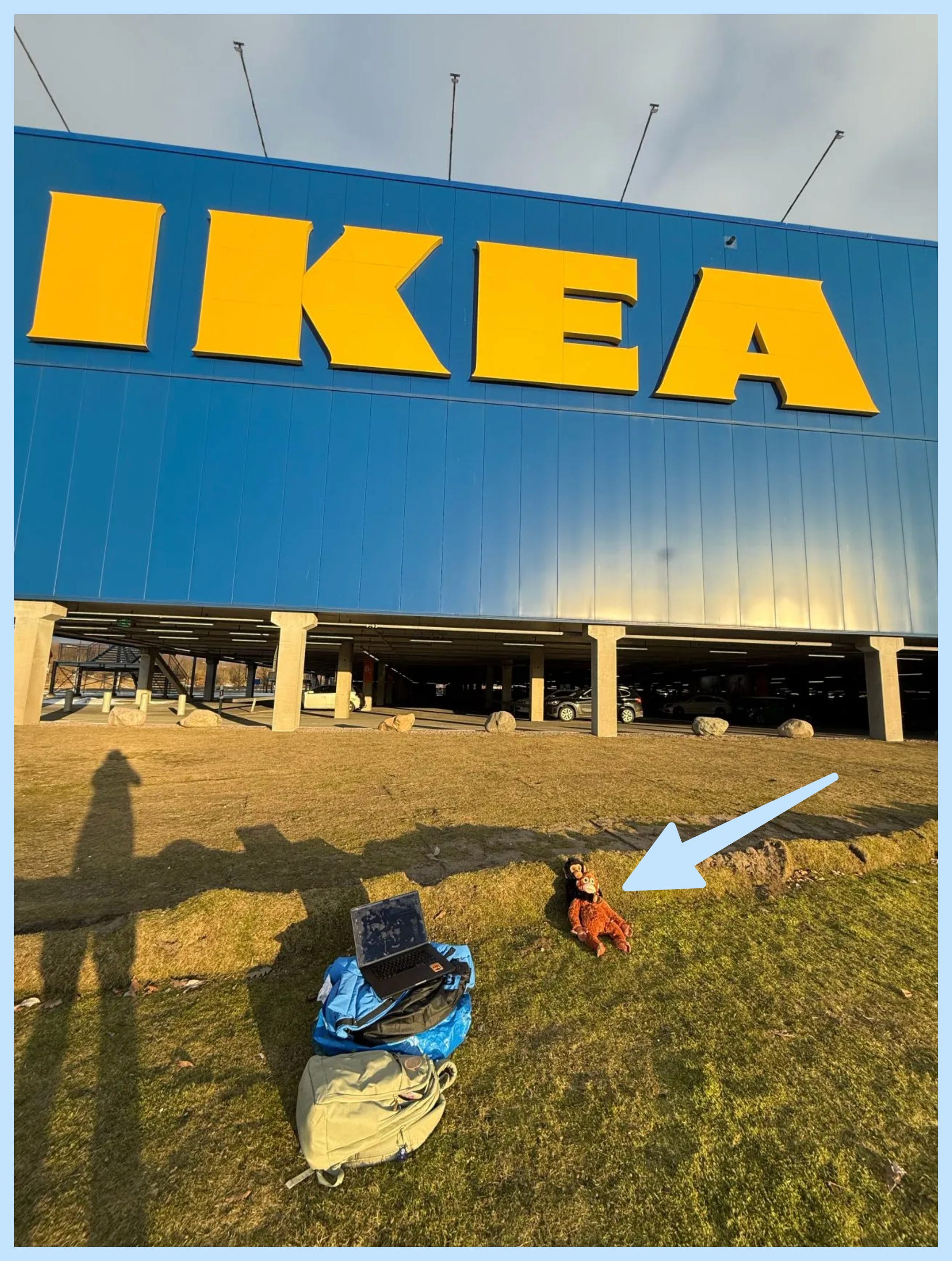
That was it.
The result of her little “photoshoot”:
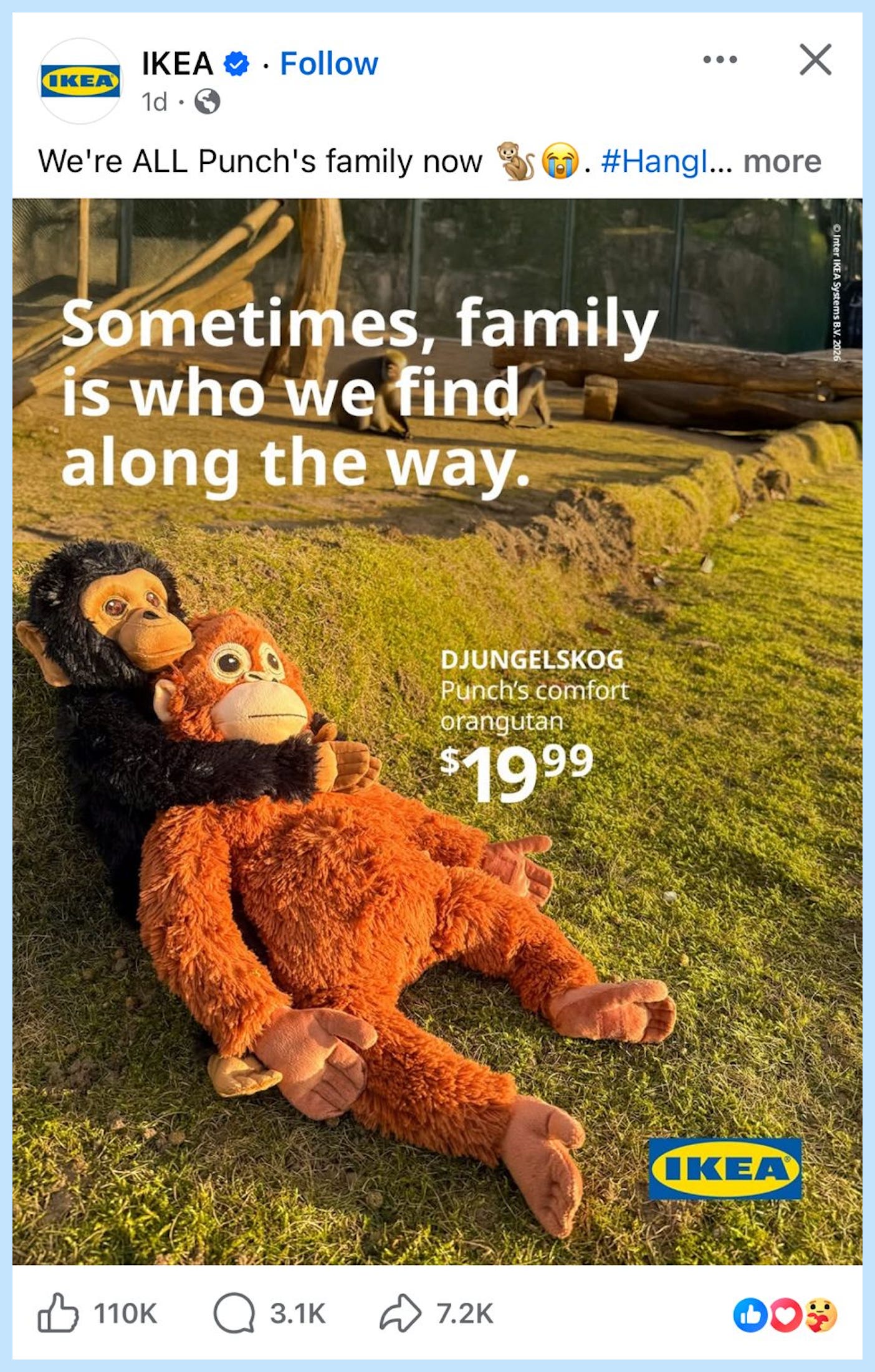
110K likes on Facebook alone!
If she had waited for a professional photographer, the moment would have passed. If she had sent it to legal first, the moment would have passed. If she had briefed an agency, the moment would have passed.
That's exactly why I love this quote of Thanos:
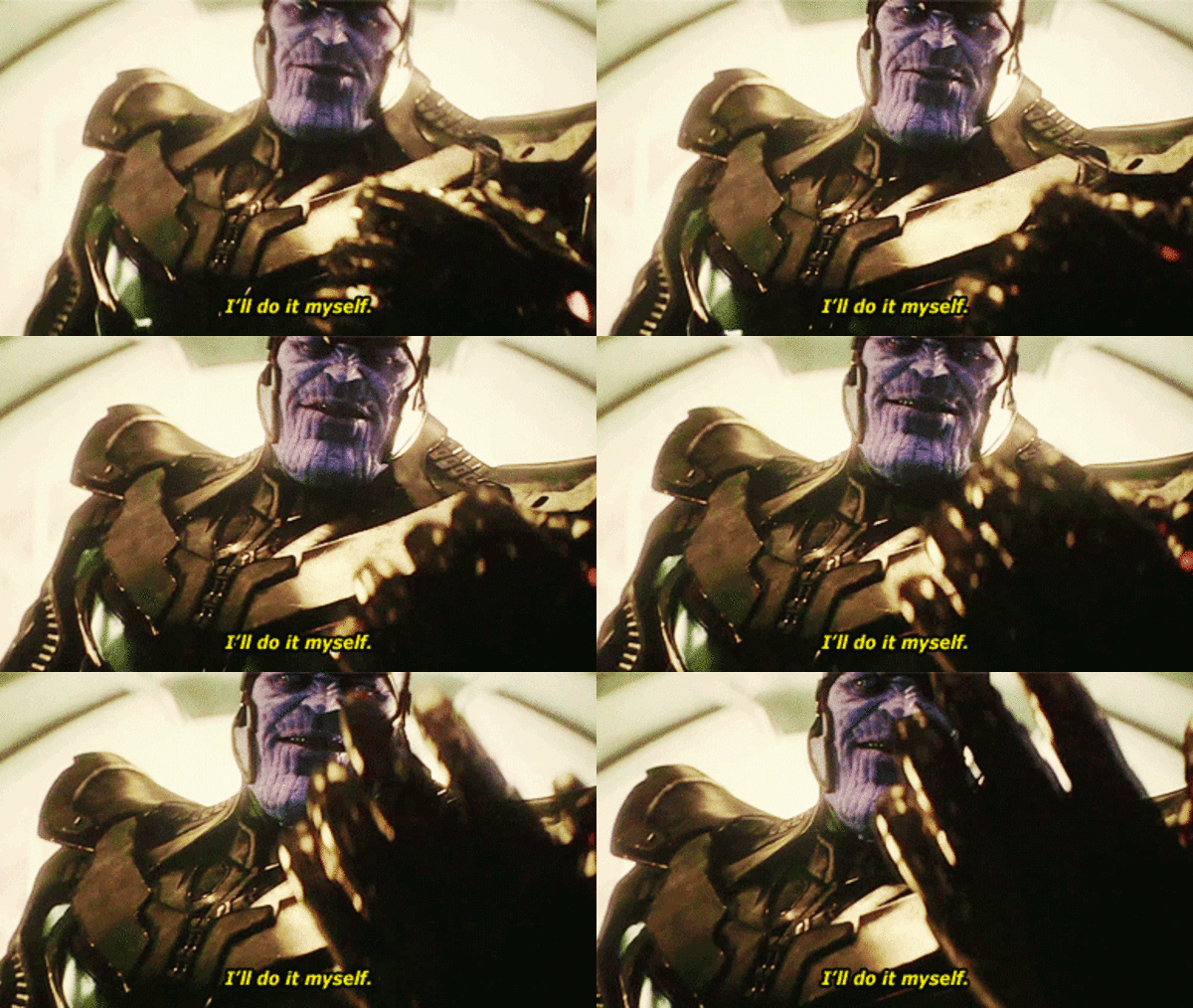
Just do it yourself.
In real-time marketing, speed > quality.
So next time something goes viral that’s connected to your world: grab your phone, make something scrappy, and post it fast.
2. Donate first, sell later 🧸
Within days of Punch going viral, IKEA Japan donated tons of stuffed toys to the zoo.
For Punch and for the other animals too.
The mayor of Ichikawa City posted about it. And just like that, IKEA became heroes.
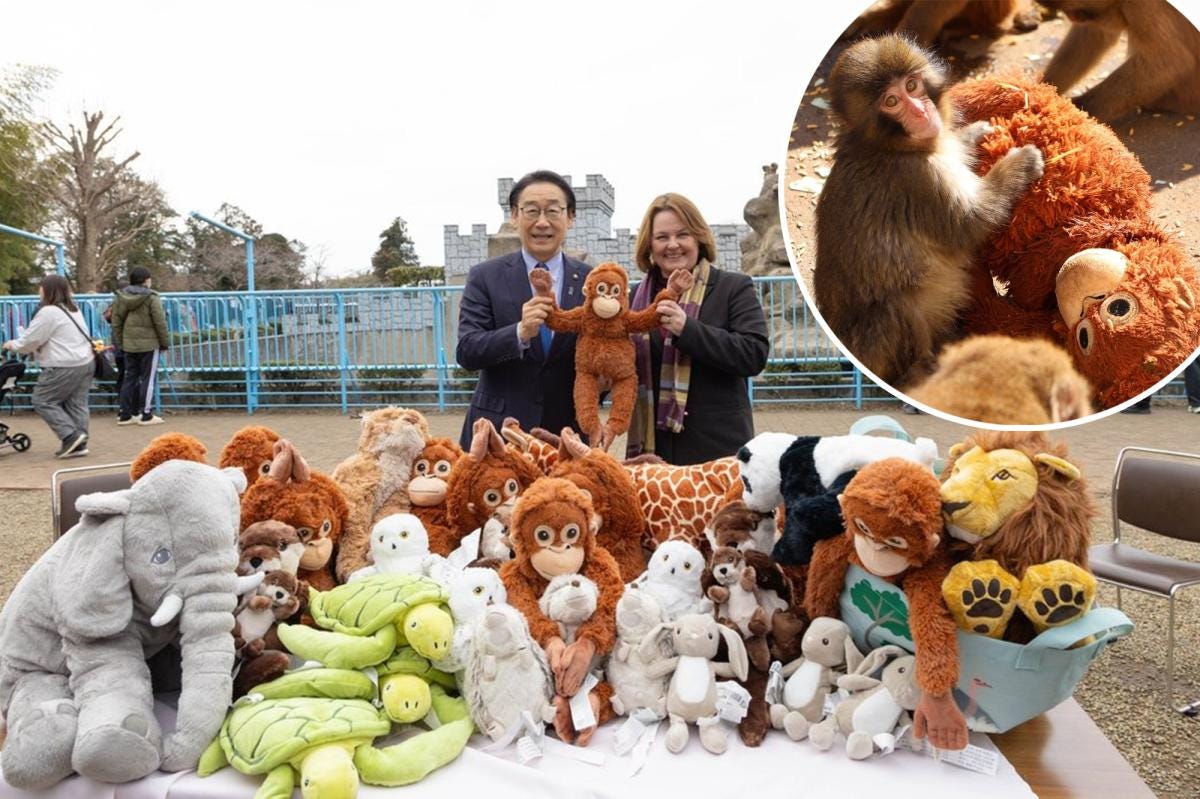
Most marketers would’ve jumped straight to “BUY THE TOY PUNCH USES!”
It would have felt gross.
IKEA donated first, and only then started promoting.
By giving to the zoo, they earned the right to sell to everyone else. They became part of Punch’s story instead of hijacking it.
This is what I call 🔓 story permission 🔓:
When something goes viral and your brand wants to participate, you can’t just show up and sell. The donation is what gave IKEA permission to enter the story. After that, every ad they ran (”Punch’s comfort orangutan”) felt natural instead of forced.
You don’t need to be IKEA to pull this off:
If something blows up that’s even loosely connected to your industry, find a way to contribute (donate) and you’re part of the conversation.
For example-
💻 If you sell software → give free access to a nonprofit that’s trending
🧠 If you’re a consultant → offer a free audit to whoever’s blowing up.
✏️ If you write a newsletter → cover their story and send them traffic.
The mechanic is always the same: donate publicly, get associated with the story, and earn the right to promote later. That’s your “story permission”.
3. The *real* reason Punch went viral 📈
The zoo’s first post about Punch went up on February 5.
It got massive traction.


Any normal brand would celebrate and move on. But the zoo posted again the next day. And the day after that. And so on.
Each post was like another chapter.
People started checking in on Punch daily like it was a TV show.
Punch went viral NOT because of a single cute video - but because of weeks of daily updates from the zoo.
The zoo gave the internet an ongoing story that people actually cared about: Will the other monkeys accept Punch? Will he be ok? Every day there was a new update, and every day people came back to find out.
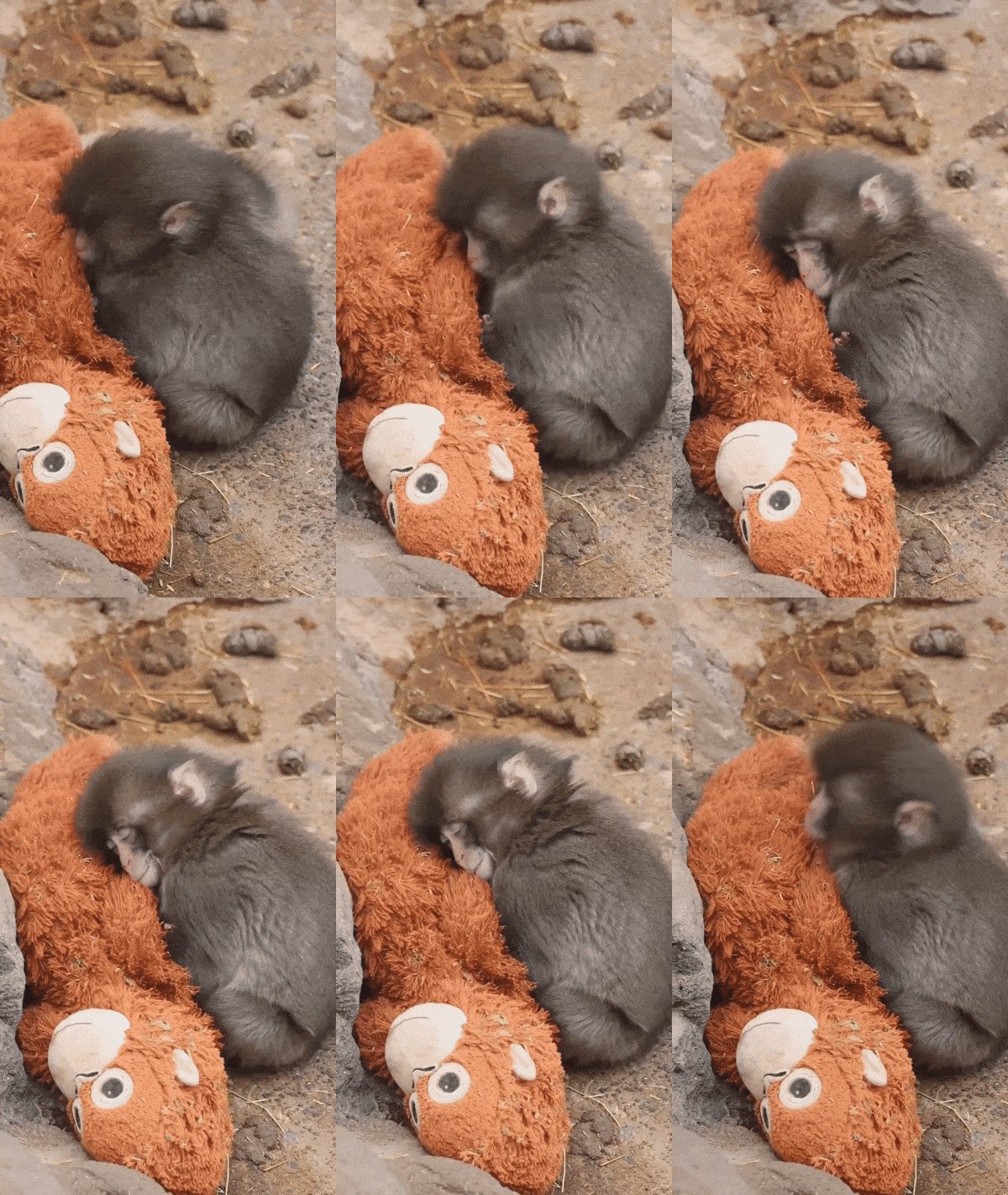
That’s the part worth studying: Most marketing content you create is standalone. Each post lives on its own, with no connection to yesterday’s or tomorrow’s. That’s why people never build the habit of coming back.
A daily series is the opposite: It gives people a reason to come back. And the zoo proved my point.
Here’s how you can apply this principle to go viral:
🎉 When you launch a product: Don’t do one big announcement. Make people follow along for many days. For example: Day 1: the idea. Day 2: the first prototype. Day 3: the first customer reaction. And so on.
💌 When you share a case study: Break it into chapters like the problem, what you tried, the results, etc.
🎬 When you run a campaign: Show the process. The brainstorm whiteboard. The rejected concepts. The final version. People love watching things get made.
When something works, post a follow-up the next day. Show the behind-the-scenes. Share the reactions. Keep feeding the story for as long as people care.
The 3 principles you should steal today 🧠
Here’s the marketing masterclass:
Speed > polish in real-time marketing. Grab your phone and go.
Donate first, sell second. Earn your way into the story before you promote.
Turn anything into a series. One post is a spark… daily updates are a bonfire.
Have an amazing week ✌️
Tom
IKEA consistently finds phenomenal talent. I’d love to do a deep dive into their hiring and vetting process there’s clearly something intentional happening behind the scenes.
Wow