


Today’s ✨ free marketing idea ✨ is sponsored by enso
800M+ people ask ChatGPT what to buy every week. ChatGPT sells ad slots in those answers now, and almost no marketer is buying them. I don’t say this often, but if you’re going to try one new channel this year - it should be this one.
enso is a growth hacking lab and an approved ChatGPT Ads partner. Their agents run the whole thing: creative, targeting, measurement.

The best part: Join enso as a customer before September 30th and get $10,000 in ChatGPT Ads credits (for free)!
10 unconventional ways to brag about your customers
You’ve seen the boring “Trusted by” logo row 10,000 times.
Which is a waste, because your customers are the best proof you have.
I’ve been collecting companies that show off their customers in ways people actually STOP and look at. Here are the best 10 ideas I found:
1. Put an *unexpected* customer in your logo row 🪩
Look at the homepage of Deel, a payroll tool for global teams.
“Trusted by 40,000+ companies... and EVEN SNOOP DOGG”. When you hover over the logos - you reveal a secret button:
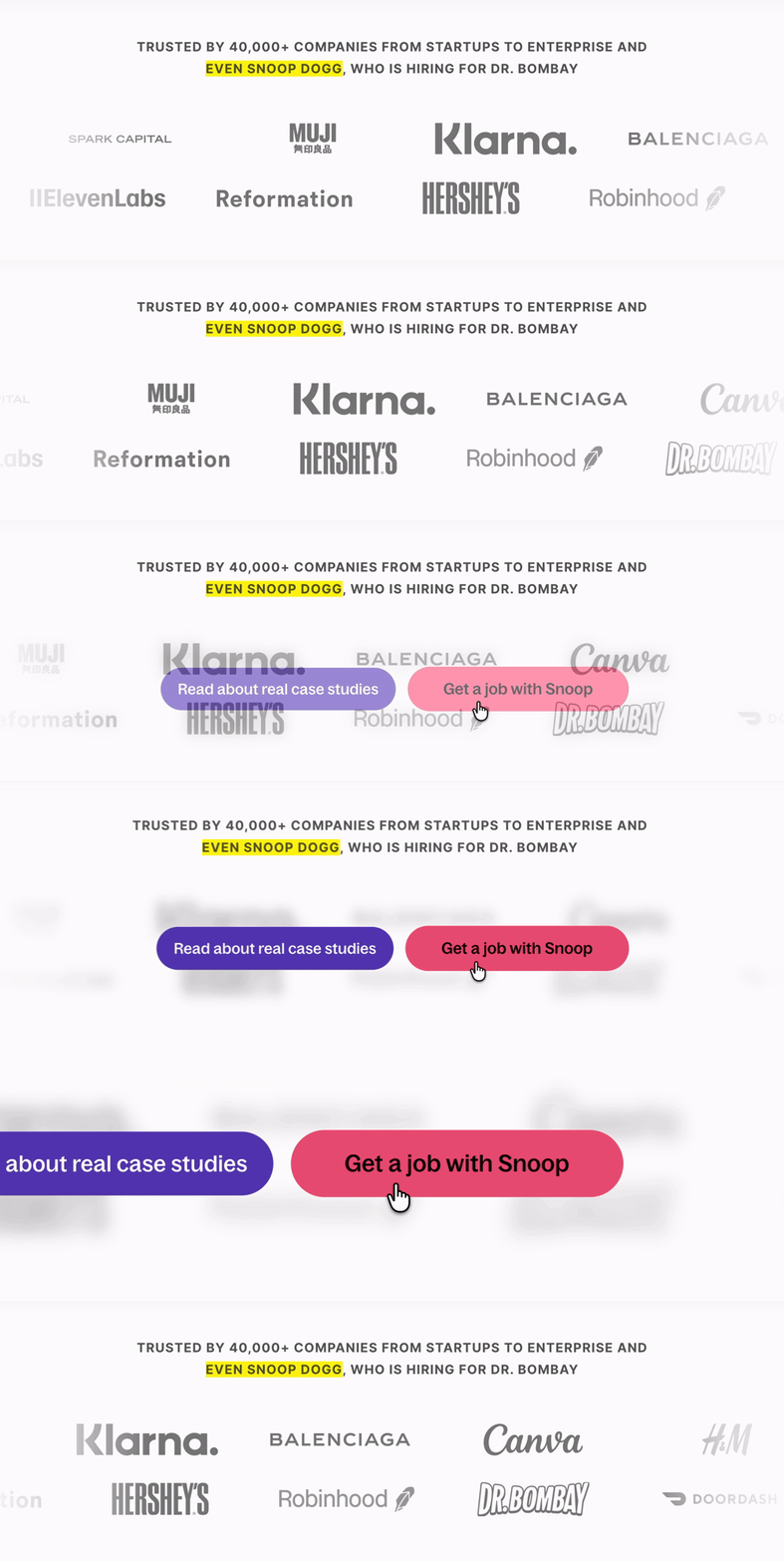
Snoop Dogg is a “real” customer (his ice cream company hires through Deel), and the button opens a funny case study about it.
How to steal this: do an influencer deal where the deliverable is a funny story about the star being a “customer” of yours. A weird customer in the row makes people stop and look at all the other logos and case studies.
2. Publish a customer’s setup as a template 📋
Notion gives away the Figmanual, Figma’s internal handbook, as a template:
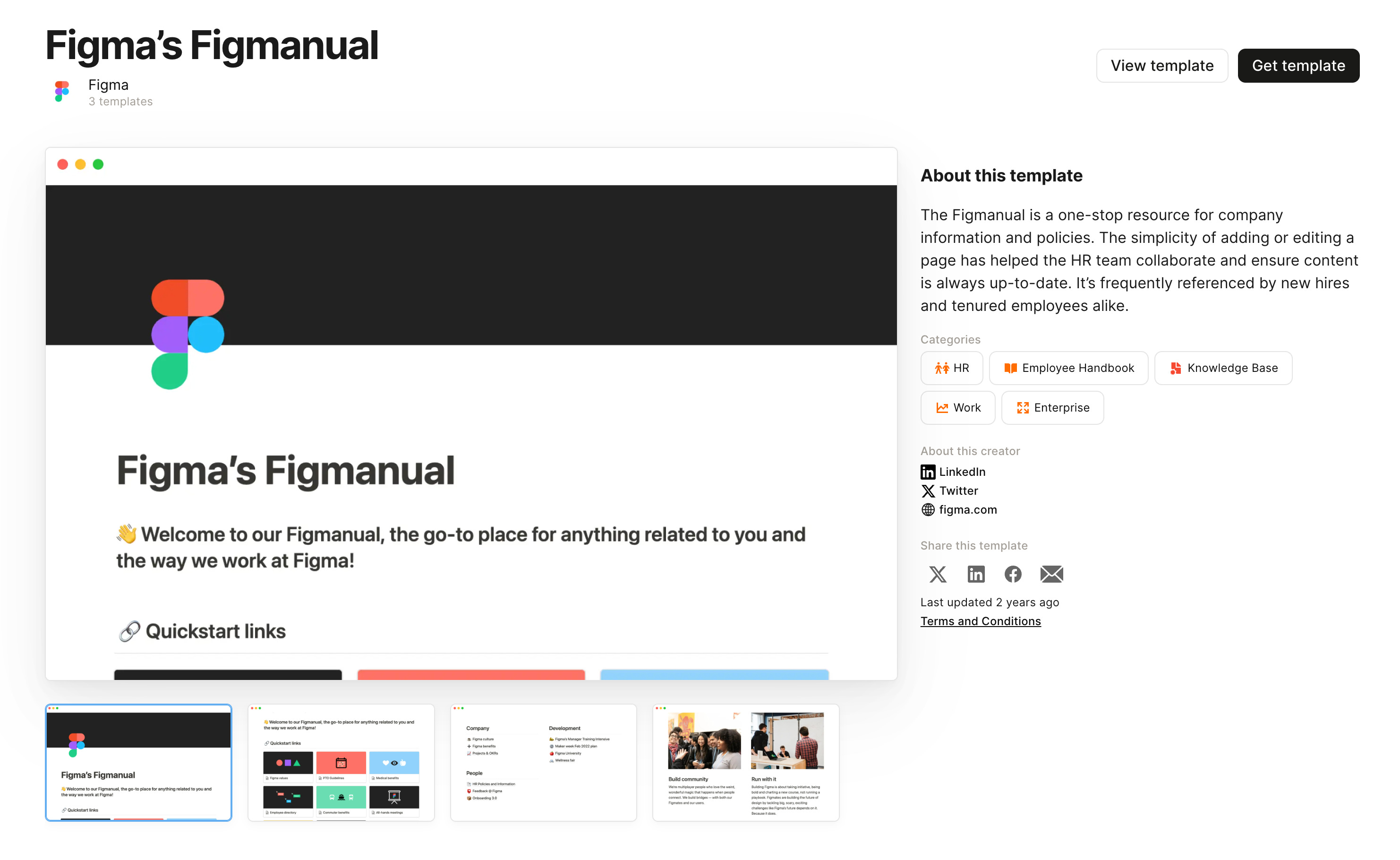
It’s a brag and a lead magnet at the same time. Figma runs its company on Notion, and to get Figma’s handbook, you need a Notion account.
How to steal this: ask your best-known customer for permission to publish the thing they built on your product (a checklist, a dashboard, a workflow) as a free template with their logo on it.
3. Tell a customer’s story like a novel 📖
Hinge is a dating app.
They asked 16 authors to interview real couples who met on the app and write their love stories - now it’s printed books, a Substack, and an audiobook:
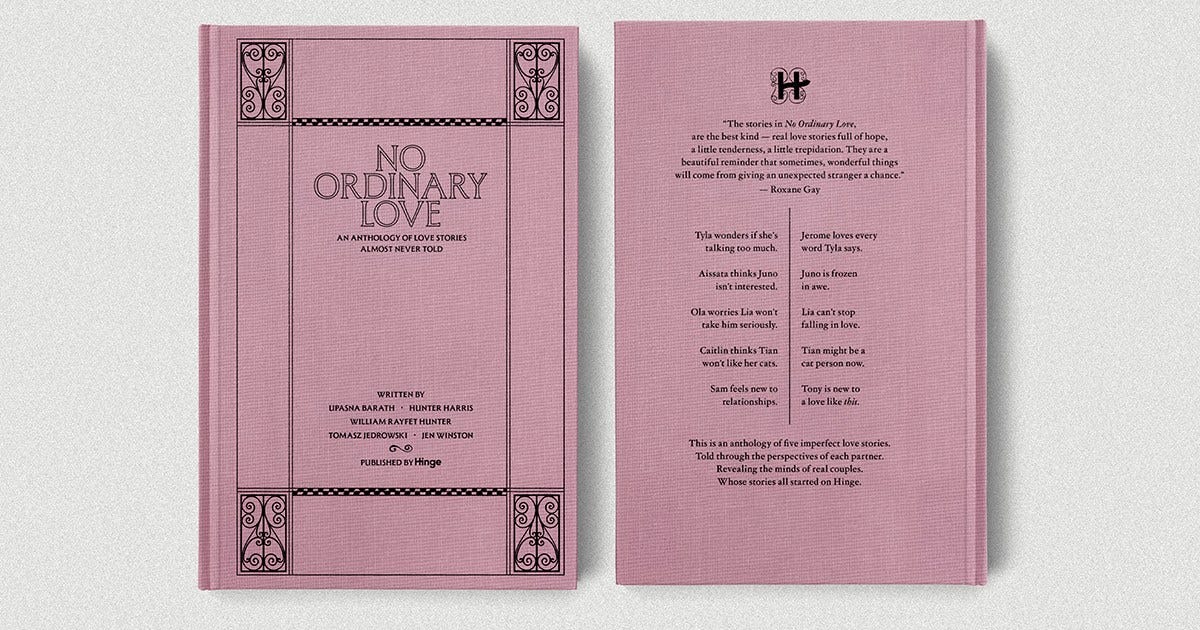
How to steal this: interview a customer and write it up as a novel-style story with their photo, then send them the PDF to post. (With a budget, I’d print it as an illustrated kids’ book and mail it to their team.)
4. Make your customers famous 🏙️
Stripe’s billboards brag about Stripe’s customers. I took this photo in Times Square last year:
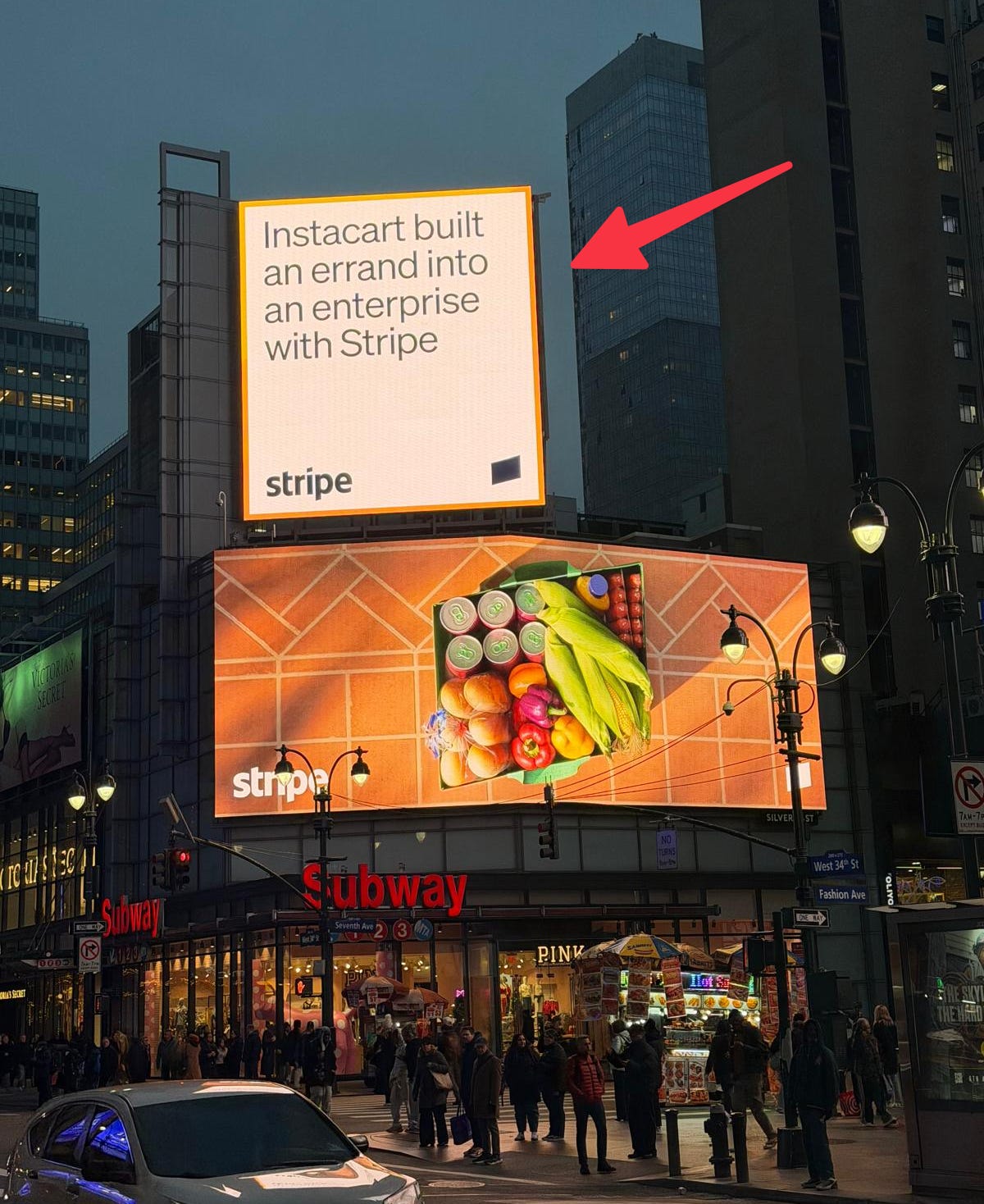
The focus is on their customer Instacart. Stripe is tiny on the bottom.
How to steal this: write the next post entirely about one customer’s win, and barely talk about yourself. With a few hundred dollars, Blip (a website that sells digital billboard slots) can put that post on a screen next to the customer’s office for 1-2 minutes, and the customer will probably post the photo if you tell them when to look.
5. Celebrate your customers’ first win (in public) 🎉
Shopify did the same thing for its smallest customers.
For Black Friday 2024 it put a live map of orders on the Las Vegas Sphere - and every firework is a merchant’s first sale ever:
I love it.
We do it at Wiz with our Zero Critical Club (the first win in our product is reaching zero critical issues in their environment):

How to steal this: you don’t need budget for this one. The next time a customer gets their first win with your product → post it on LinkedIn with them tagged.
6. Brag about your one-star reviews 🫣
Snowbird is a ski resort in Utah.
They took a real one-star review - “Too advanced“ - and made it the ad:
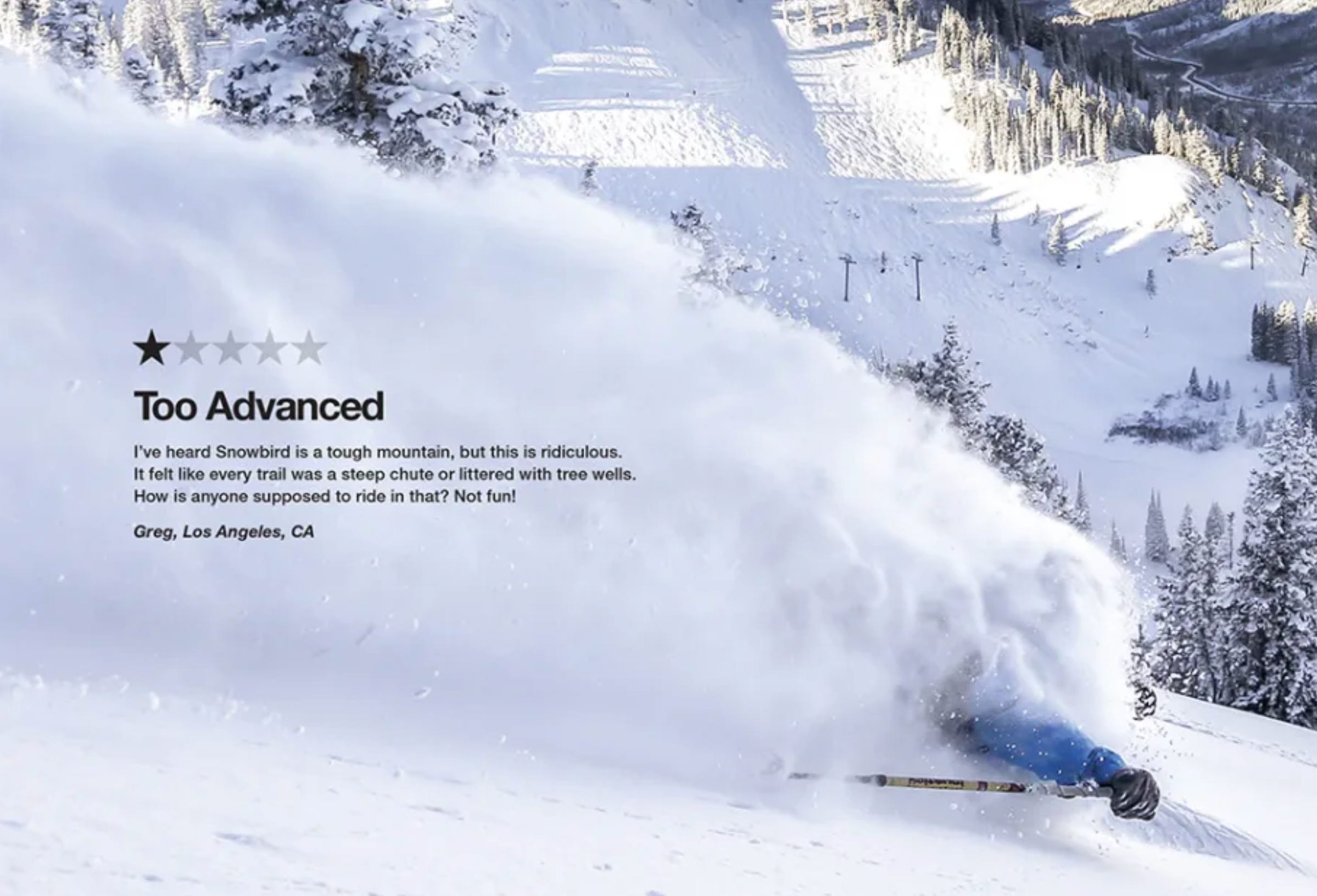
A bad review from the wrong customer is a compliment from the right one.
How to steal this: find the one-star review that says you’re “too” something your best customers love (too strict, too simple), and put it on your homepage.
7. Put a number under every logo 🔢
Every customer logo on Clay’s homepage comes with a result, e.g. Intercom’s says “+140% outbound pipeline“:
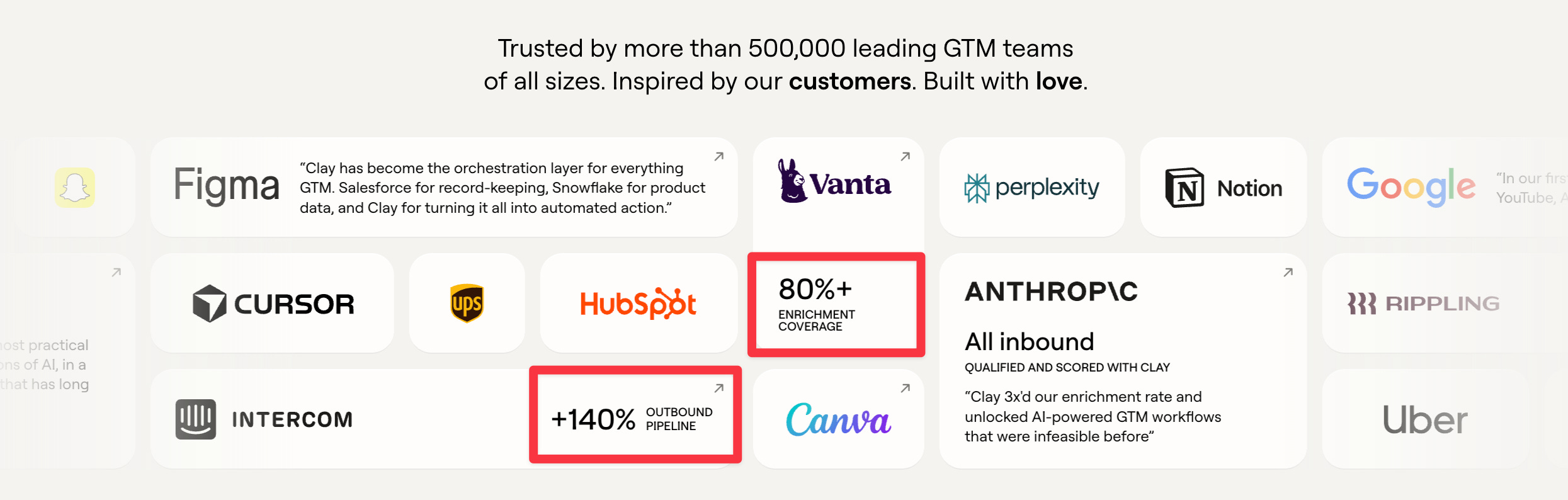
How to steal this: email each customer whose logo you show and ask for one number you can quote. A number under the logo tells visitors it worked.
8. Show the actual proof 🔎
The only thing better than showing numbers → is to also give the proof they’re real.
Greptile is an AI tool that reviews code. Its customers page lists real bugs it caught in well-known open-source projects, each one linked to the actual fix on GitHub:
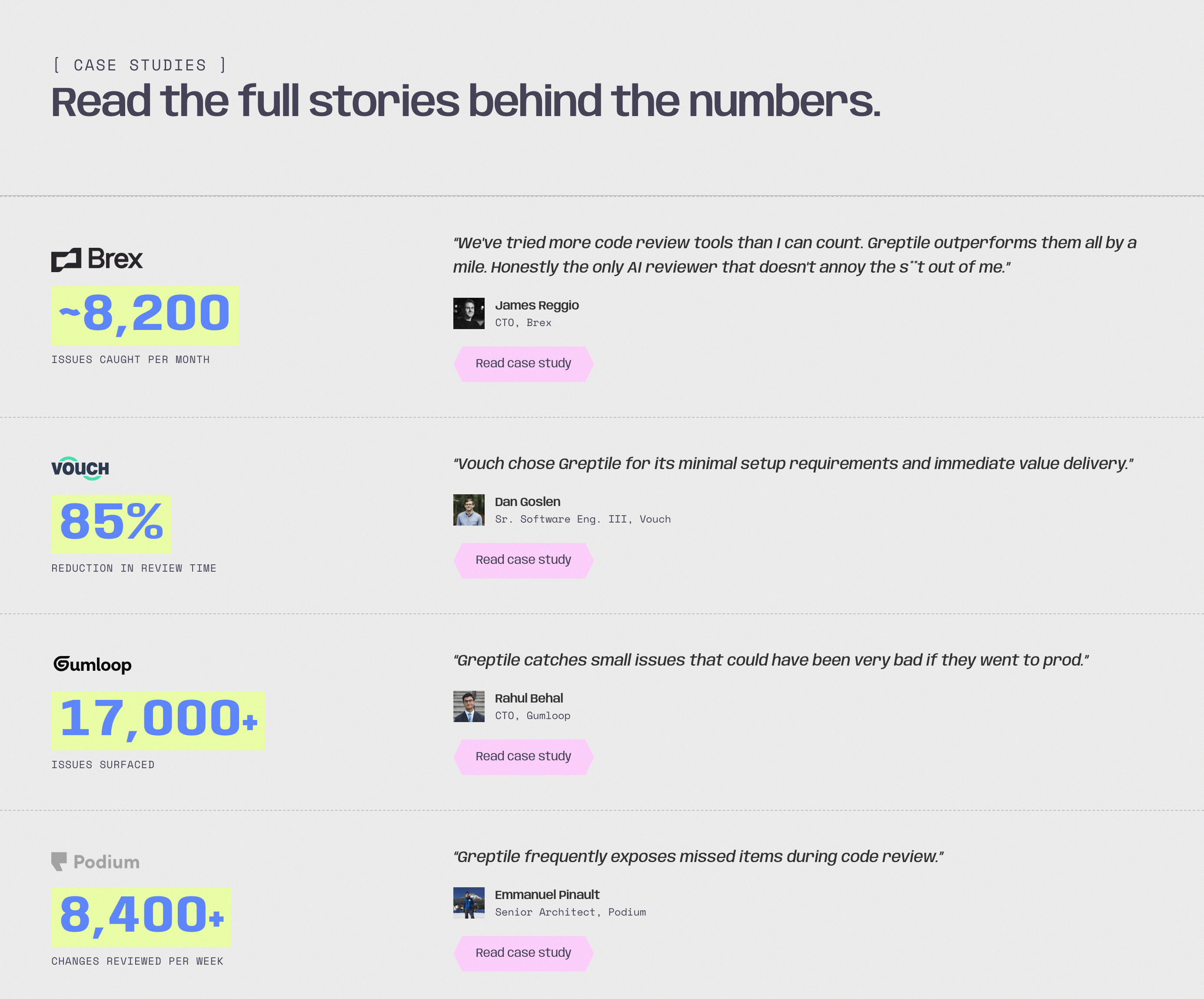
People believe what they can check themselves.
How to steal this: next to every customer logo, link to the actual thing your product did for them: the website you built, the ad you wrote, the email they sent with your tool, or the bug you caught.
9. Show how long your customers have stayed 🥾
Red Wing makes work boots.
Their flagship store has a wall of boots that real customers wore through a working lifetime, with their stories:
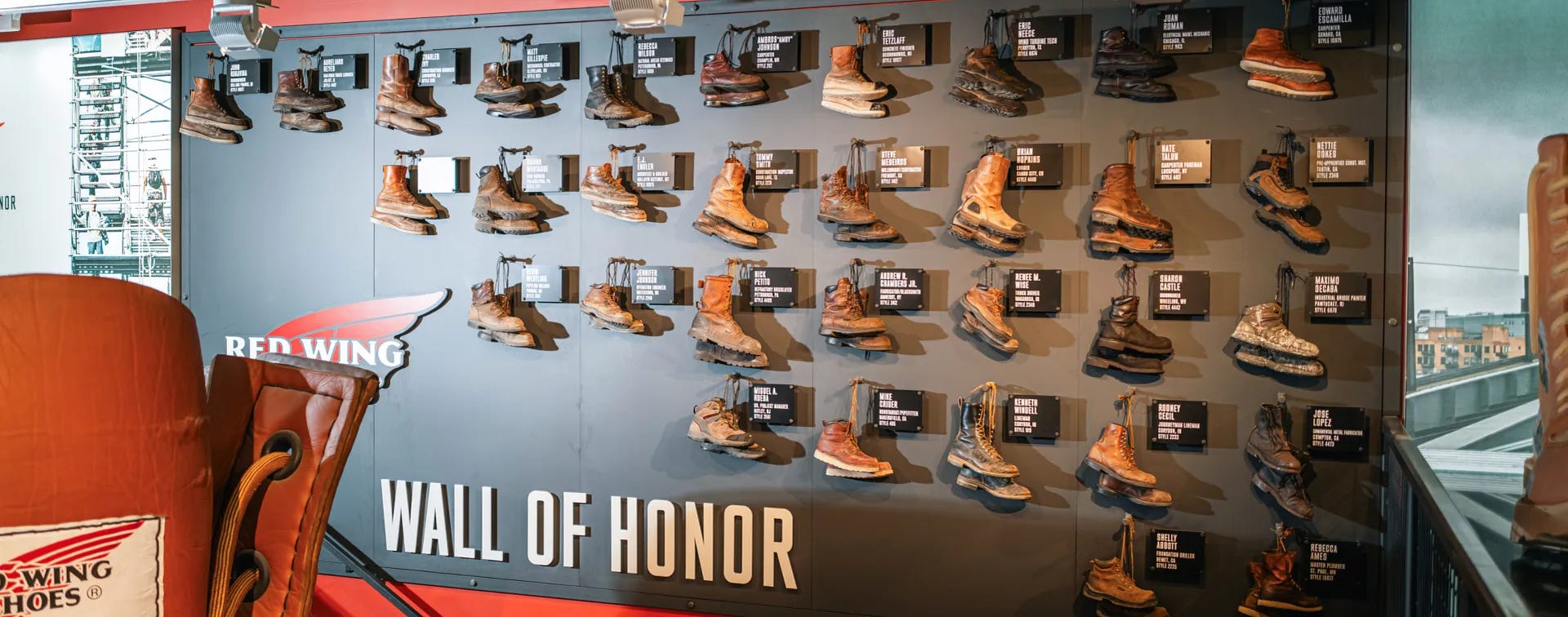
How to steal this: put “Customer since [year]” under every logo. A customer who stayed 6 years says so much more about you than a new big-name logo.
10. Group your logos so visitors find someone like them 🪞
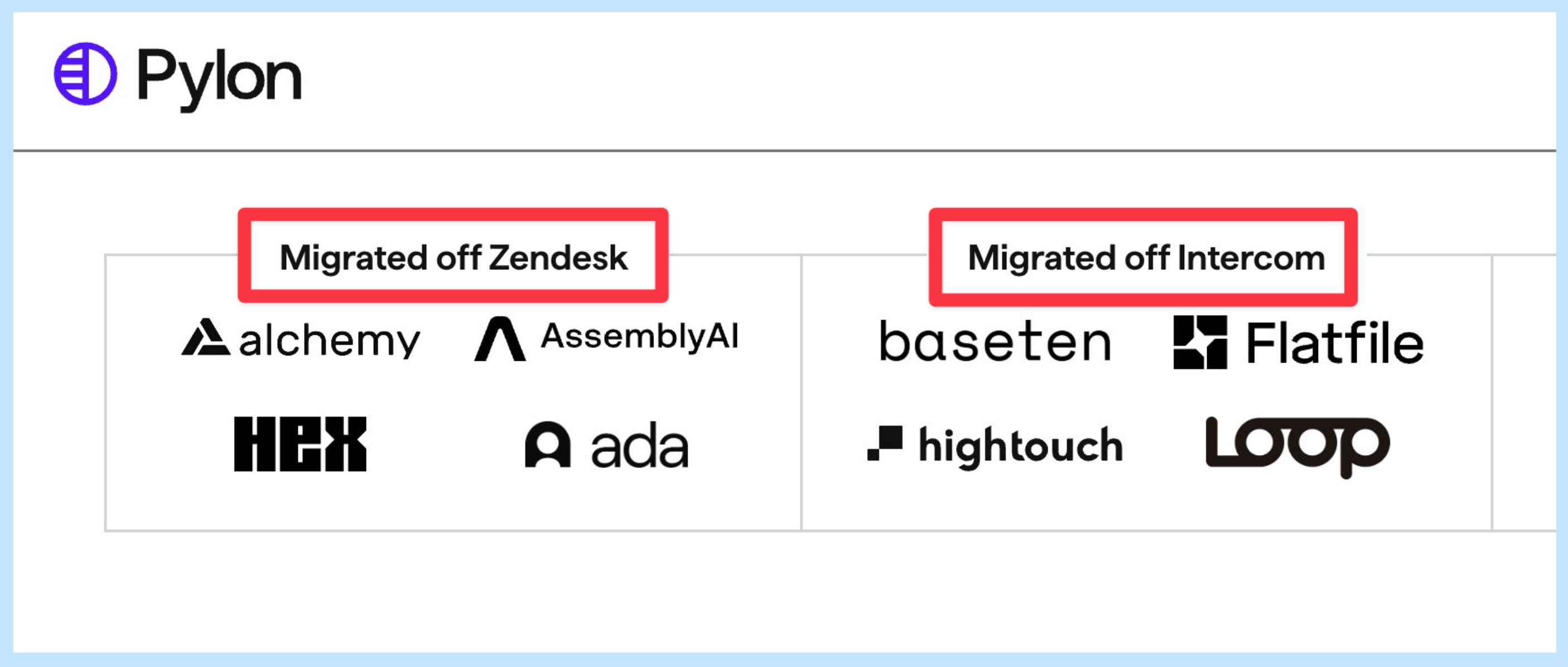
Pylon is a customer-support tool.
Earlier this year, they grouped their customer logos by the competitor each one left - “Migrated off Zendesk”:
Rent the Runway does it with people. Every dress review shows the reviewer’s size, height, weight, and body type:
PostHog (an analytics tool) made the grouping a funny game. You can reshuffle its logos into categories, like companies you can explain to your parents vs. companies you can’t:
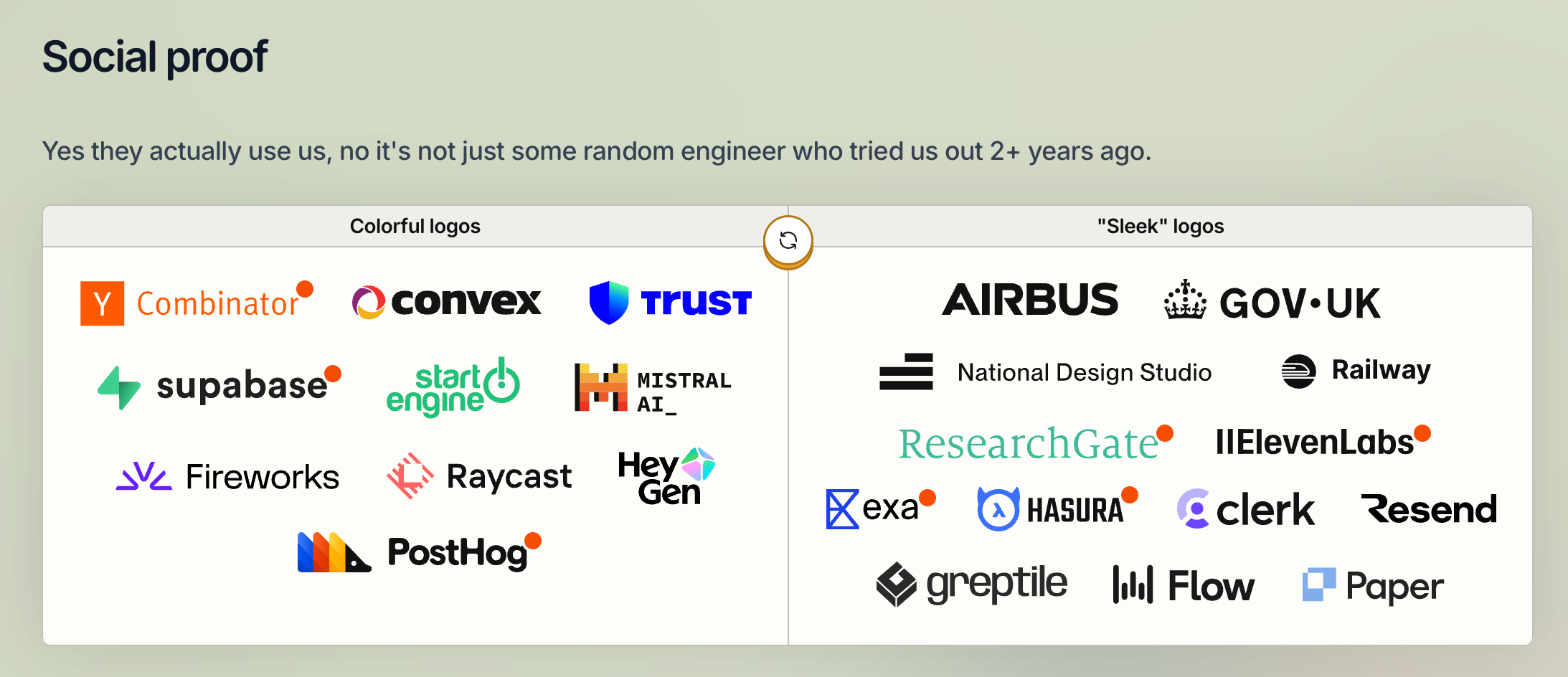
How to steal this: split the logos you already have into 2 or 3 groups and let the labels brag (”Switched from [Competitor]”, “Under 50 employees”). Visitors look for a customer like them, and the label helps them find one.
The *worst* way to brag about your customers ❌
One last thing - and it’s the most painful mistake I’ve seen this year:
See you next week ✌️
Tom