


✨ Today’s free article is sponsored by TLDR ✨
If you need to reach tech people, here’s the thing: they don’t see your ads. Ad blockers, LinkedIn fatigue, banner blindness - they’ve tuned it all out.
But they read TLDR. 6 million tech professionals subscribe to these daily newsletters because they actually want them. You can sponsor any of their 12 newsletters (AI, DevOps, Marketing) and reach people who are actually reading (including me).
Open rates are 40-48% and they write the ad copy for you.

(Click here to sponsor the Marketing Ideas newsletter)

Every Thursday at 12PM ET, I run a live Q&A for paid subscribers.
They can ask me anything: Marketing, growth, careers, launches, strategy, weird stuff.
Some of the recent questions were too good to keep behind the paywall, so here are my favorites (lightly edited for clarity and brevity).
How can I make a boring B2B product interesting on social? 😴
You don’t make the product interesting. You make the person interesting.
I was marketing a privacy-tech startup. Privacy is, objectively, not exciting. So I stopped trying to make it exciting and built campaigns celebrating Data Protection Officers (the humans doing the work) instead of the product. It outperformed everything product-focused we’d tried. I wrote about this here.
Think about why it works: A General Counsel who gets publicly celebrated as the unsung hero keeping the company out of legal trouble? That person 100% shares it. Their whole network sees your brand.
Praise the person. They’ll do your distribution for you.
Should I use LinkedIn automation for lead gen? 🤖
No. It’s all spam and everyone can smell it. Do inbound instead.
Here’s the playbook:
Send connection requests to your target audience with no welcome message. About 100/week is the safe max. Post daily about your niche. Don’t mention your product. Just share what you know about the problem it solves.
When someone engages with your content, THEN message them. Personally. Thank them for the comment, mention your product briefly if it fits.
Outbound LinkedIn is chasing strangers. Inbound means warm people are coming to you. The conversion rates aren’t in the same universe.
What’s the #1 thing to look for when sponsoring podcasts or newsletters? 🎙️
Does this creator actually USE the products they promote?
Check their past sponsorships. If the ad reads are personal, with their own experiences and real opinions, that’s who you want. If it reads like a script they saw five minutes before recording, pass.
That’s my best filter.
How do I build hype while still in stealth? 🤫
Lean into the mystery. It’s more interesting than a product demo anyway :)
Countdown teasers. Post every day. “19 days...” Then 18. Then 17. Humans love countdowns.
Buy the launch date as a domain (like 01-19-2026.com). Put a countdown timer, email capture, and maybe a raffle on it. Point all social traffic there.
Send the website or launch video to 20 influencers early. Don’t ask them to share it. Ask “may I get your feedback?” They feel invested before you ask for anything. And some of them will share it anyway, because people love leaking things they got early access to.
Vibe-code a .rip website for the problem you’re solving (as if it’s about to die) - with a graveyard of previous solutions. Great example here.
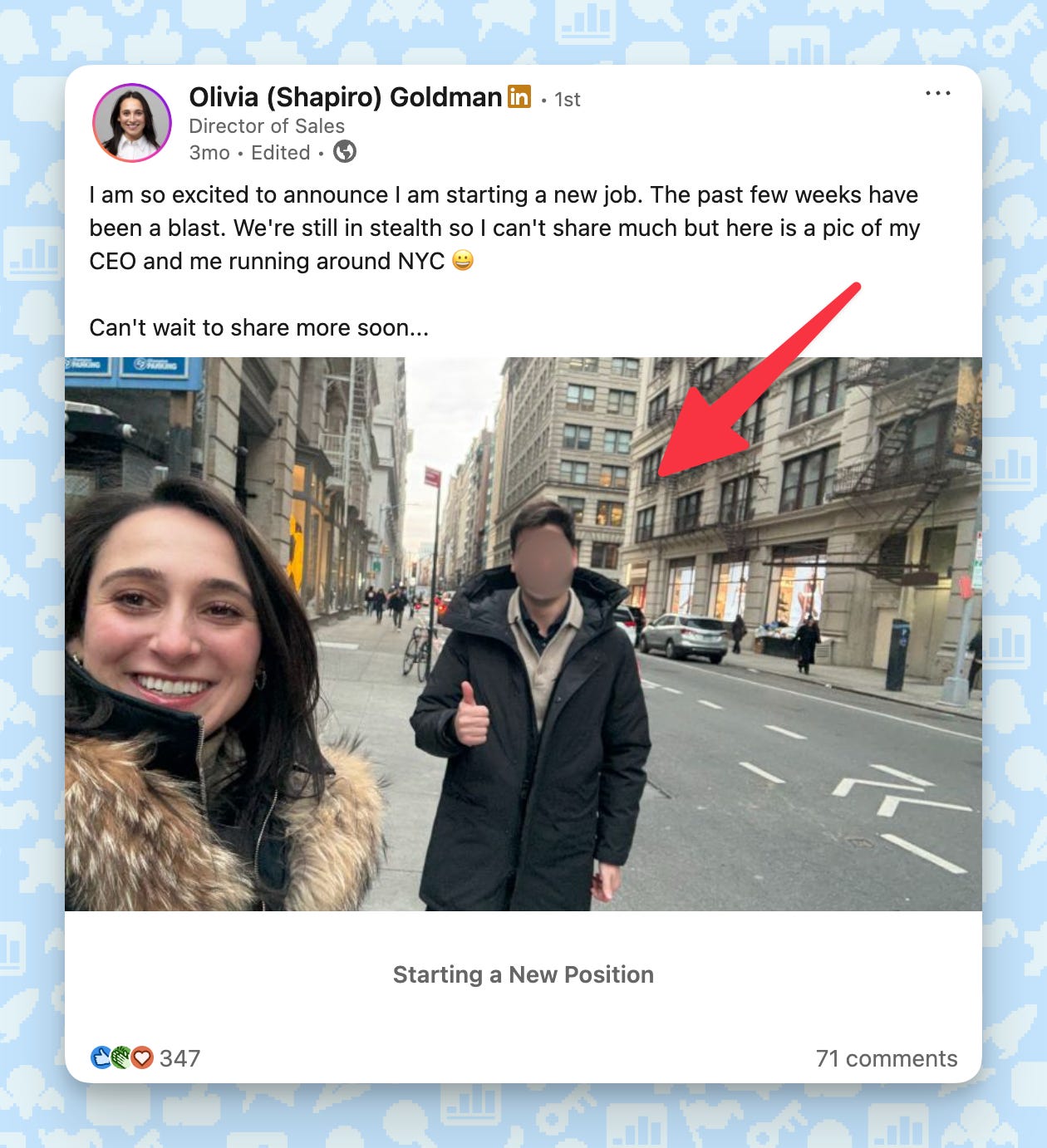
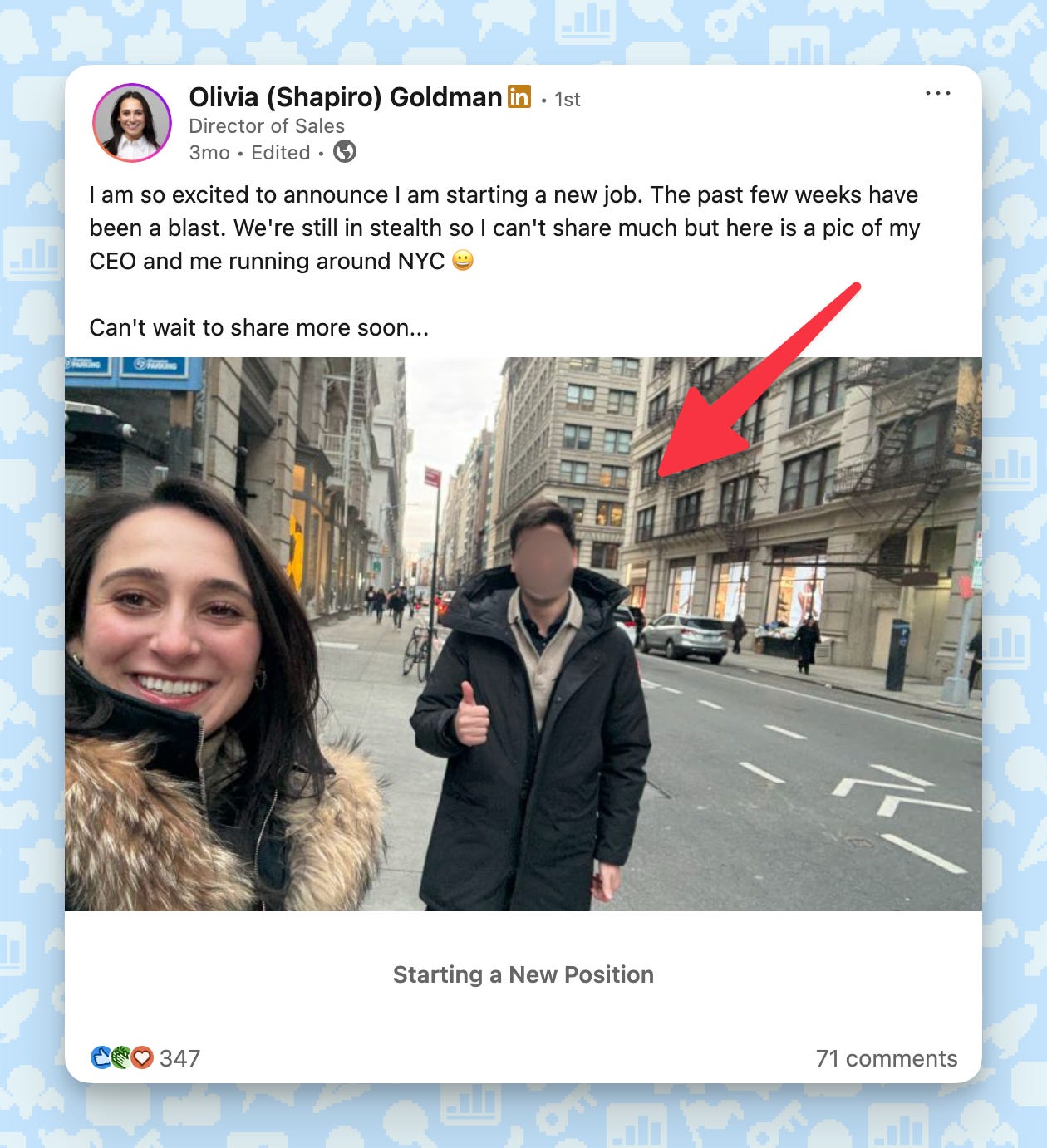
Censored content. Take a selfie with your cofounder, their face blurred, caption like “Building something huge with this person. Can’t say who yet.”
How do I get bold marketing ideas past risk-averse leadership? 😤
Win small first. Then swing big.
80% of your energy should go to safe, visible wins. Hit your numbers. Make your boss look good. Stack a track record of being right about small things.
Then use the other 20% to push through the bold thing. When you’ve been right about the small stuff, people give you room. Lenny Rachitsky wrote a great piece about this that I keep coming back to.
Most marketers pitch the risky idea before they’ve earned any trust. In my experience, that’s exactly why it dies.
Trust is like a currency - earn it first, then spend.
I have to rename my brand. How do I relaunch? 🔄
Treat it like a second launch. You literally get a second first impression.
Add “[formerly X]” temporarily so existing customers don’t get lost.
Then squeeze the rebrand for everything it’s worth. Document the process publicly: why you’re changing, the logo options you considered, the decisions you made. People love behind-the-scenes content. This alone gives you weeks of organic posts and humanizes the brand more than any campaign could.
How do I grow a job board with no budget? 📋
Three tactics:
Pinned spots for shares. Offer hiring managers a pinned spot on the board if they share it on LinkedIn. A little tacky, but it works because it’s a fair trade.
Logo grid graphics. “These companies are hiring engineering leaders right now” with a grid of recognizable brand logos. Gets 10x the engagement of a standard job-post link. I’ve seen this pattern work over and over. The logos are social proof that does the selling for you.
Undercover Reddit stunts. Post a spicy story about someone starting a new engineering leadership role. Someone in comments asks how they found it. OP links to your board. Sounds guerrilla because it is. I wrote about it here.
How do we grow a screen time blocker app with zero budget? 📵
Show up where the conversation is already happening.
I actually looked this up while answering this question live. Found a tweet about doomscrolling from that same day with 37,000+ engagements and thousands of people publicly saying “I have this problem”.
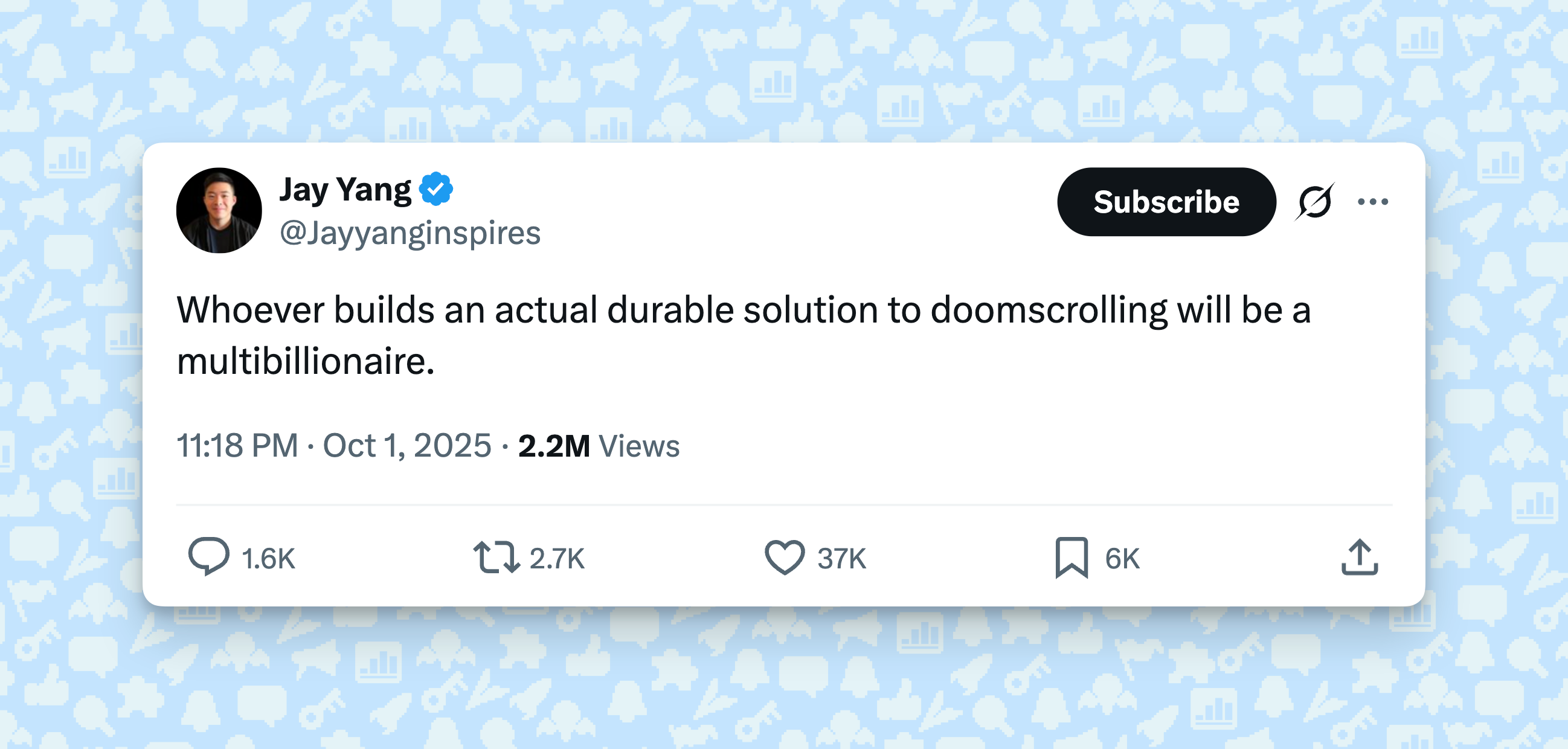
Those are your customers.
Your team needs to be in these conversations from personal profiles. When a post about phone addiction goes viral (and they do, regularly), be in the comments. Don’t pitch. Be useful. Mention what you’re building only when it fits the conversation.
P.S. Here’s how to find those conversations in real-time.
What’s the biggest mistake marketers make when pivoting? 🎯
Staying vague on purpose.
When a company pivots, leadership tries to keep messaging broad so they can pivot again if needed. They hedge. They use words that could mean anything.
The problem: a pivot is already confusing for your market. Vague messaging on top means almost nobody understands what you actually do now.
Pick one promise and commit to it. If you’re wrong, you can pivot again. A clear wrong bet teaches you what doesn’t resonate. Vagueness teaches you nothing because you can’t measure a reaction to something no one understood.
Gated or ungated content for lead gen? 🔐
Simple filter:
If it’s deeply tactical and hard to find elsewhere: gate it. People will trade their email for something they can’t Google.
If sharing it would make someone look smart: ungate it. The reach and brand awareness is worth more than the email addresses. When someone shares your content to look smart, they’re doing your marketing for free.
How should I upgrade my CV for a Head of Brand role? 📄
Three things:
First, make your most recent title match the role as closely as possible. If “Digital Media Lead” can honestly be reframed closer to brand, change it. Hiring managers (including myself) pattern-match titles before they read anything else.
Second, don’t put too much focus on metrics. Attribution in brand work is messy and everyone knows it. List actual projects with hyperlinks instead.
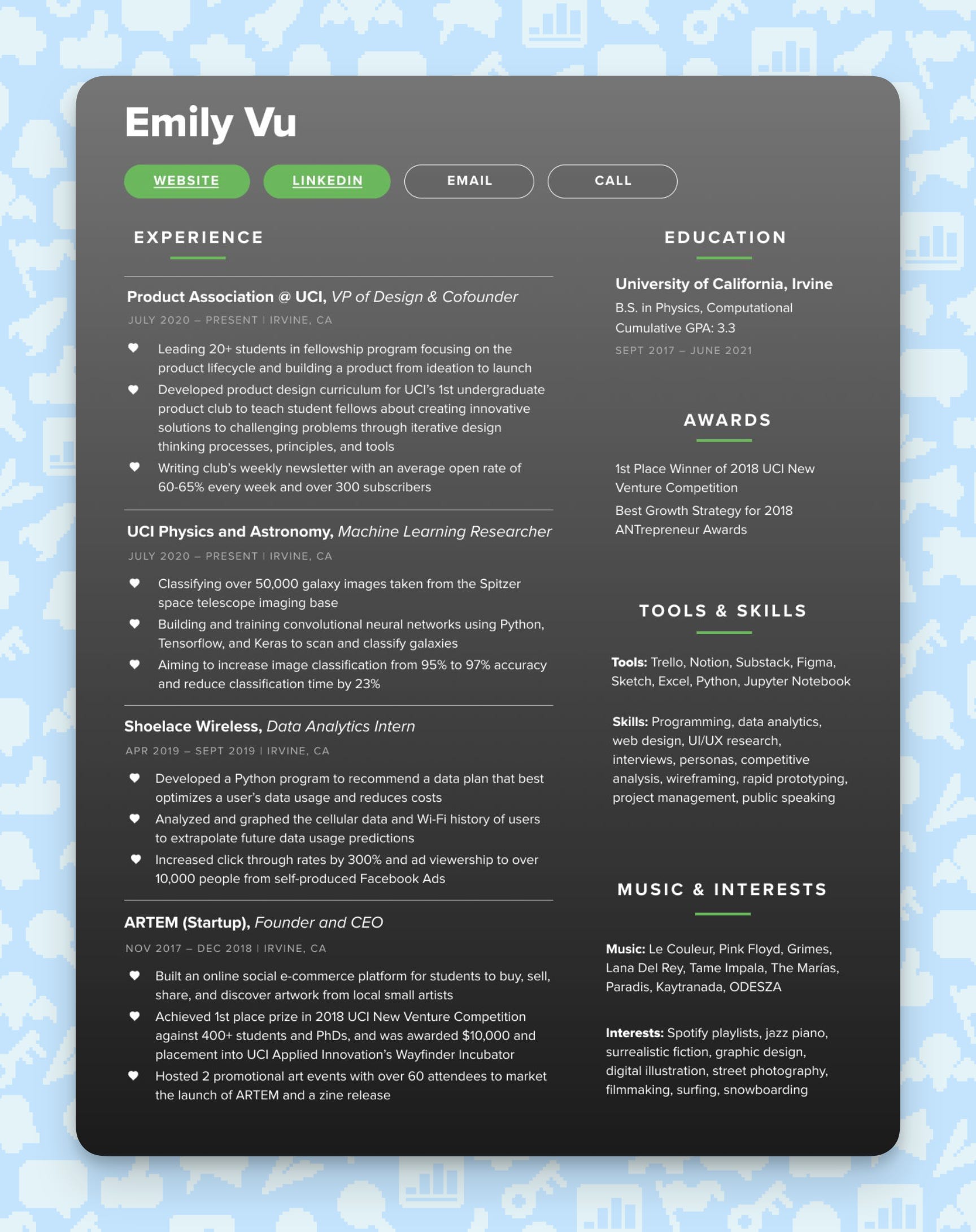
Third, and this is the best move for brand roles specifically: redesign your CV in the company’s brand colors. Someone did this for Spotify and it went viral. It shows taste, effort, and the exact skill they’re hiring for, all in one.
How to come up with content ideas without getting stuck? 🧠
Lurk on Reddit 24/7. Seriously.
Find the subreddits where your audience hangs out, and see what they talk about, complain about, ask about, argue about. That’s an endless stream of content ideas because it’s what real people actually care about right now.
Every post that gets 500+ upvotes in your niche is a content idea someone already validated for you.
How to do marketing in an industry where hype destroys trust? 🏦
Ask questions instead of making statements.
“What would happen to your family’s lifestyle if you couldn’t work for 6 months?” is just a question. But the person reading it will probably think about disability insurance for the next 20 minutes without anyone telling them to.
That’s the whole game in trust-first industries (finance, legal, healthcare, consulting). You don’t manufacture urgency. You surface a concern they already have but haven’t put into words yet. Once someone answers that question in their own head → they’ve basically sold themselves.
Three things I’d build:
A calculator. “Are you on track for retirement?” They discover the gap themselves. You didn’t tell them anything. The data did the selling.
“A client asked me...” posts on LinkedIn. “A client inherited $500K last month and had no idea what to do first.”
Client stories with no moral. Share what happened. Don’t say “this could be you.” Just tell the story and stop. Let the reader draw their own conclusion.
Best advice for launching a first product? 🚢
Waitlist + manufactured exclusivity.
Start a waitlist. Promote it hard. Make the product invite-only at launch.
Once you have 1,000+ signups, DM creators in your space: “Over a thousand people are waiting for this, but I’d love to give you early access in exchange for feedback.”
You don’t really need their feedback. You need visible people using your product. Once they’re in, they feel like insiders. “I got early access to this thing everyone’s waiting for” is content they want to post. You turned your launch into their social currency.
How do I market a Voice AI widget for websites? 🤖
A few ideas for your product:
Record a split screen. Your widget vs. a traditional contact form. Same question. Widget answers in 8 seconds. Contact form: still waiting 3 days later. That’s your entire pitch in one video.
Find bad checkout experiences and fix them publicly. “We added our AI to [industry]’s worst checkout flow.” Before/after. Tag similar companies. This works because you’re giving them free value and calling out a problem they know they have.
Hire voice actors on Fiverr to create funny conversations with your AI. Ridiculous 2am requests. People share funny stuff.
If you’re bold: pick a customer’s website, install your agent, and stream a live dashboard on X showing every sale it closes over 24 hours.
And install it on your own site first. If you don’t trust it enough to put it front and center on your homepage, why would anyone else?
Should I create a new category or compete in existing ones? 🗂️
I’d say compete (99.9% of the time).
Category creation takes years, costs a fortune, and confuses your market. Most startups die before it pays off.
“It’s like X but for Y” or “It’s X without the annoying Z” works because people need somewhere in their brain to file you. Give them that familiar drawer to put you in. Once you win, the new category shows up on its own. Customers start describing you differently. Analysts pick it up. But that happens after traction. Always after.
Good example: white chocolate isn’t technically “chocolate”. It’s sweet cocoa butter. But when it launched in the 1950s, the makers didn’t try to create a new category.

They called it “chocolate” (familiar) and added “white” (different). That’s the perfect move: state what you ARE using language people already know. Then add what makes you DIFFERENT.
How do I get more value out of speaking at events? 🎤
The talk itself is maybe 10% of the value.
Get someone following you around with a camera. Have conversations with known people at the event. Being a speaker makes you the event’s superstar automatically so most people would agree to talk. After a minute of chat, ask for a photo.
Every photo can then become a LinkedIn post. Tag them → their audience sees you. One day at a conference can give you weeks of content. The ROI is in the networking documentation, never the keynote itself.
How do I repurpose old webinar recordings and eBooks? ♻️
Rename them.
“Webinar recording” → “Mini-course” or “Masterclass”
“eBook” → “Playbook”
Split the webinar into individual lessons. Now it’s a course.
How to get a good testimonial from a customer? 💌
Timing is everything.
Ask them for a testimonial when they’re at ✨ peak happiness ✨ with your product.
The best way to do this: set up an automation that captures a success moment inside your product (first big win, milestone hit, goal reached) and triggers an email celebrating them with a gentle ask for a review.
The email copy should celebrate their achievement first, then ask. “You just hit [milestone], that’s amazing. Would you mind sharing a quick review?” People are far more likely to write something genuine when they’re already feeling good. You can also offer a gift card if budget allows. I wrote more about this here.
What will startup marketing look like in 2026? 🔮
Here’s what I see:
AI makes content free to produce. So the market floods with average stuff. The companies that publish less but make it weirder and more personal will own attention.
Founders who show their face and tell the truth about building their company will get more attention than brand accounts. Your face is your best ad.
Your employees’ LinkedIn accounts are also worth more than your brand account. Give your team posts to share. Make graphics about them. Let them take the credit.
Physical marketing is coming back. Everyone’s in the same digital channels with the same AI content. A handwritten note to 50 prospects will probably outperform your paid social budget because it’s surprising.
The smartest positioning move right now: go against the AI wave. While everyone screams “do more faster” → say “think deeper, make better stuff.” That’s where the loyal audience is.
Mini-tools will replace free trials. Give away something tiny that solves one problem. Just like my favorite mantra: get the user before your competitor gets the email!
And the boring stuff still wins. Good emails. Referral programs. Fast landing pages.
These came from one hour of live Q&A. Paid subscribers get a seat every Thursday at 12PM ET. Bring your weird and personal questions to the next one:
See you inside ✌️
Tom
Great read, thank you! I really like the format, even if I didn't find every question relating to my situation.
Launching a GRC platform very soon, it is all about setting up the basics and going against the AI wave. I'm going to use all the playbook that you have laid down Tom. Thanks again for an insightful read!