


Today’s ✨ free marketing idea ✨ is sponsored by TLDR.
If you need to reach tech people, you should know this: they don’t see your ads. Ad blockers, LinkedIn fatigue, banner blindness - they’ve tuned it all out.
But they read TLDR. 7 million tech professionals subscribe to these daily newsletters because they actually want them. You can sponsor any of their 13 newsletters (including Tech, AI, Dev, DevOps, InfoSec, Product, Marketing) and reach people who are actually reading (including me).
Open rates average 42% and they write the ad copy for you.

Want to sponsor the Marketing Ideas newsletter? Apply here
🥇 How to become the “no-brainer” choice
I keep noticing the same pattern on every great homepage: there’s one word doing 90% of the positioning work.
Once you see it → you can’t unsee it.
I’ve been obsessed with this pattern recently. It’s the cheapest, fastest fix I know. And it’s the core lesson of the most-quoted marketing book of the last 30 years.
🧠 The law of mainstream
The book Crossing the Chasm, by Geoffrey Moore, came out in 1991.
The big idea of the book - how new products win a market:
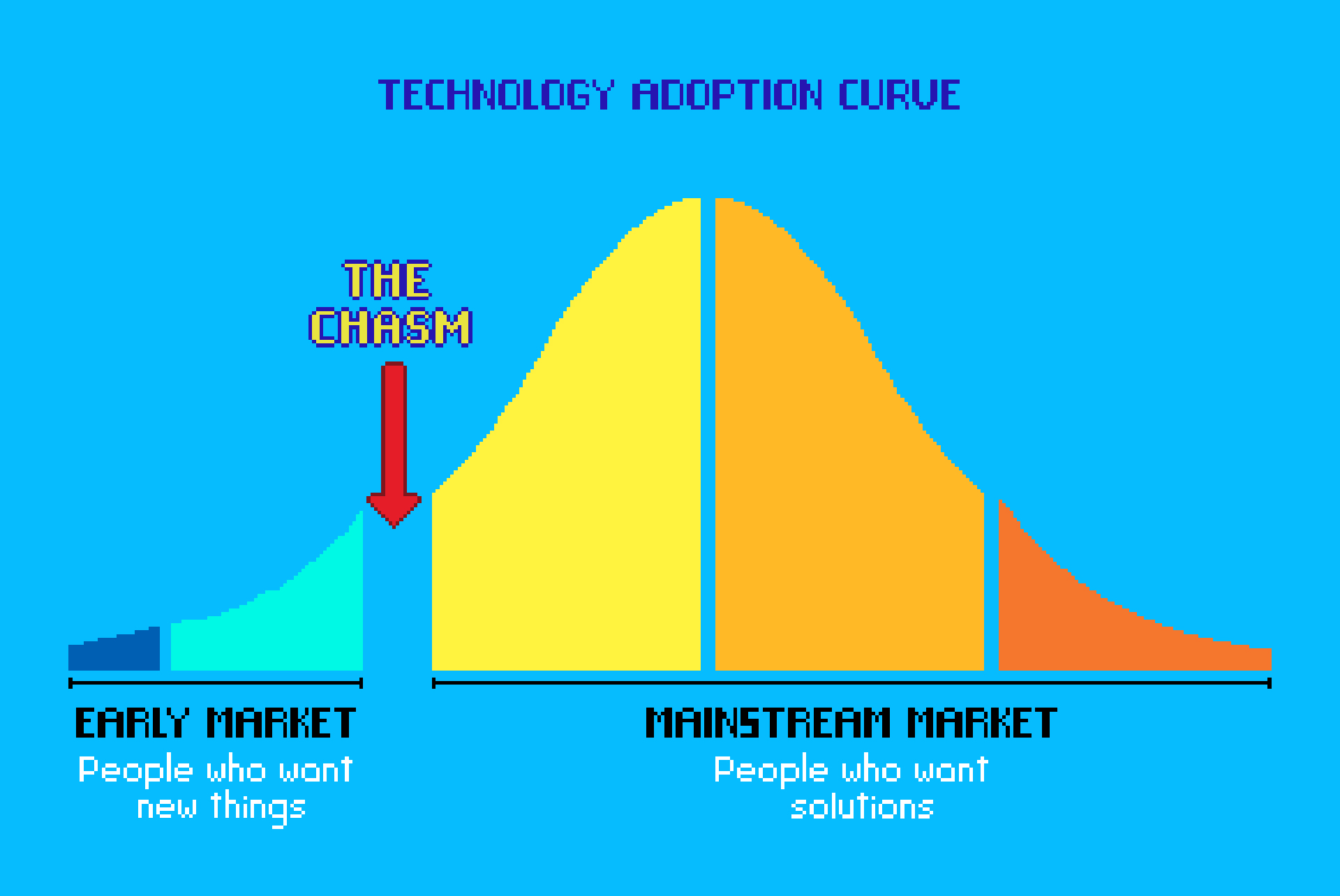
The left side (your first 100 customers) loves cool features. The right side (the mainstream market) buys “whole” products. They want the complete, obvious answer to all their pains and problems in a given category.
The chasm is the gap between.
Most startups fall in because they can’t cross that chasm: they keep talking to enthusiasts when they should be talking to pragmatists on the right.
Your homepage hero is the first signal of which side you’re talking to. ↓
✏️ The one word doing the work: “all”
Fin is solving this beautifully right now.
Their hero:
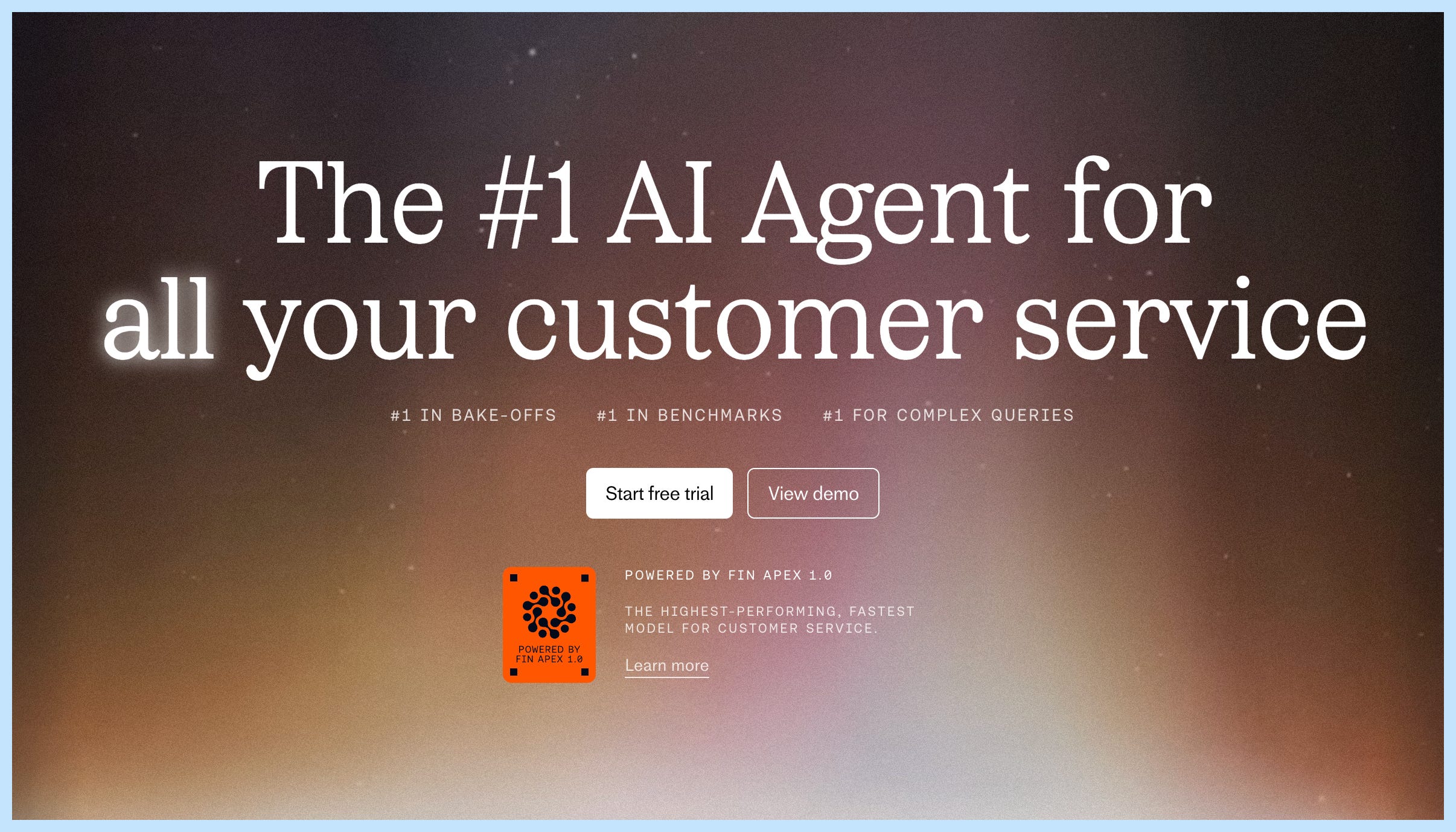
The word they highlighted with glow is “all”.
It tells every pragmatist on Earth: you don’t need to bolt Zendesk together with Claude Code and Slack. We’re the whole thing. That’s how you OWN a category.
I love it.
✂️ You can do it in reverse
I’m the Director of Growth at Wiz.
Our hero used to read:
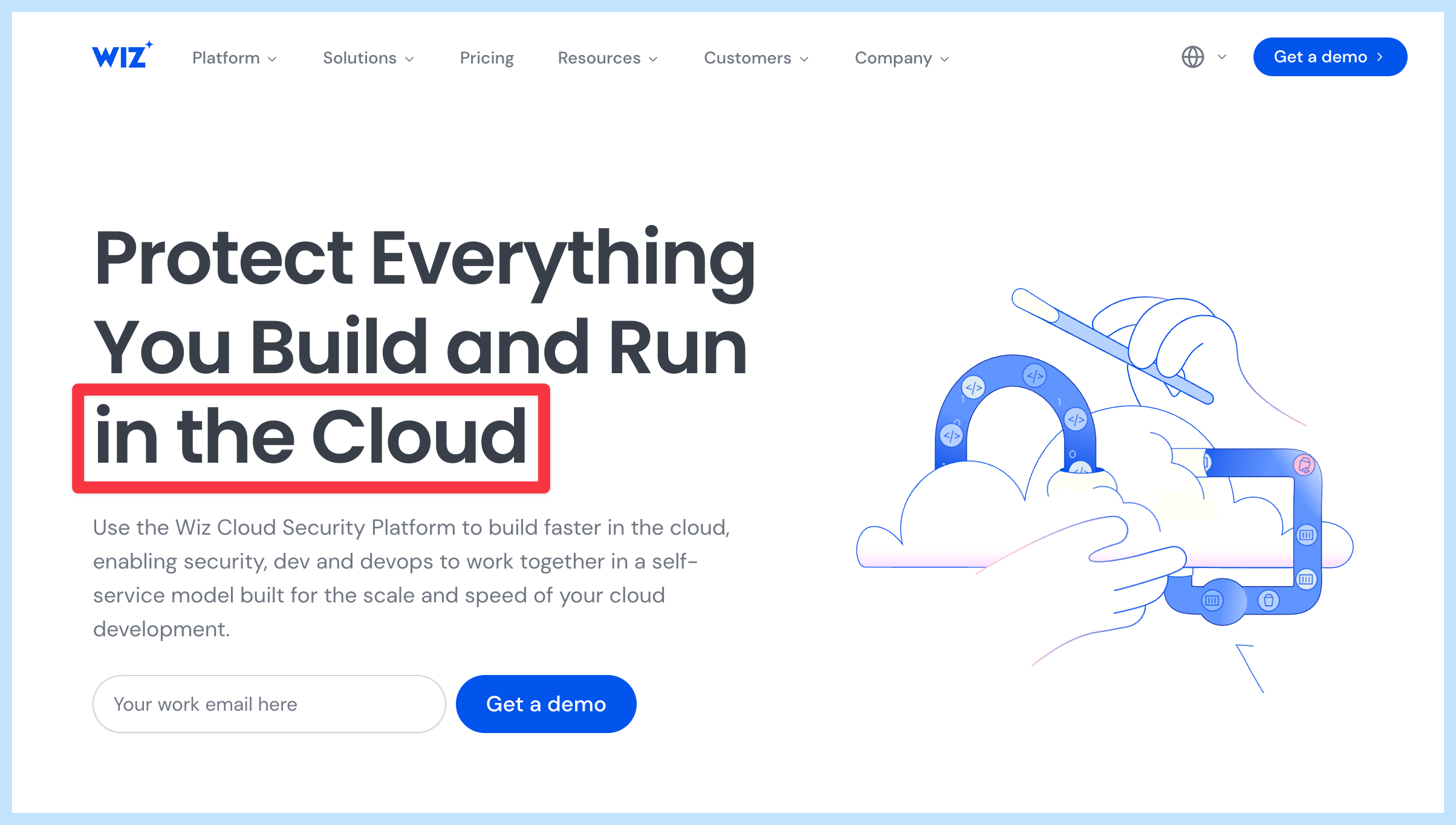
We recently cut “in the Cloud”:
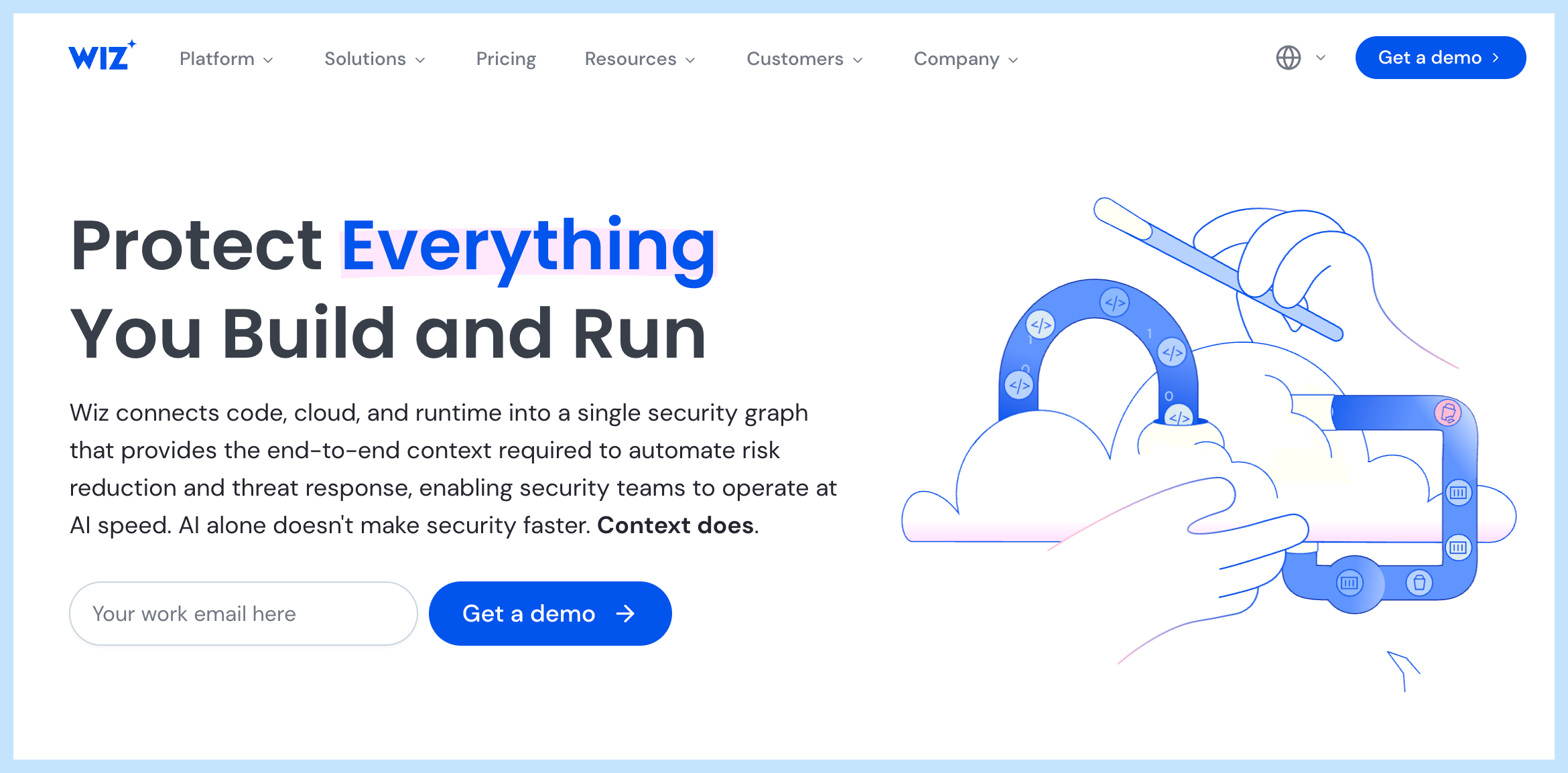
“In the Cloud” was the limiting phrase, especially in the AI era.
Thanks to this cut, the buyer’s question changed from “what cloud security tool should I get?” to “what will protect everything I build?” - that’s a pragmatist question.
🍣 Pick one problem → solve all of it
Every founder reading this has heard “niche down” a thousand times.
So when I tell you to own “ALL your customer service”, your gut reaction is probably wait, isn’t that the opposite of niching?
You’re conflating two different axes:
✅ Niching down on category is what makes you trustworthy. You pick one specific space and commit to it.
❌ Niching down on features (inside a category that’s already narrow) is what kills you. You pick one slice of one category and try to call it a company.
The whole-product move is the first kind of niching.
A pizza place that says “every style of pizza” picked the pizza category and went deep on every variation. They’re the king of pizza in town. A pizza-and-sushi place picked two categories at once. That’s the move people don’t trust.
⚙️ Your playbook
Pick one direction:
→ Add a word that owns the whole category. Fin’s “all” is the perfect example. “Everything” or “anywhere” do similar work depending on the business.
→ Delete a word that traps you in a niche. E.g. “In the Cloud”.
I know it sounds insane to add a word like “all” when your product technically can’t do everything yet. Or to delete the most accurate word in your hero. Trust me, category ownership is what closes deals.
Go own your category ✌️
Tom
P.S. This idea pairs with another positioning move worth stealing - how to look “big” before you actually are. I wrote the full playbook here: Look big → become big
This is such a good idea. I was leaning towards doing something like this but this makes it more concrete and easier to put into practice.